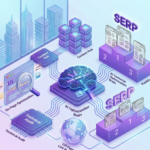


Entity clarity in 2026 means defining your brand, services, and expertise so precisely that search engines and AI systems can confidently understand, connect, and recommend you. For B2B, this translates into stronger visibility in AI-driven results, better knowledge graph associations, and higher trust signals—making entity clarity a core ranking and relevance factor.
Today, every digital marketing service Kolkata provider focusing on long-term growth is prioritizing entity clarity over traditional keyword-heavy tactics.
What Is Entity Clarity? (Definition)
Definition
Entity clarity refers to how clearly a search engine or AI system can identify and understand a business, its offerings, relationships, and authority within a specific domain.
- Entity: A distinct, identifiable concept (brand, product, person)
- Clarity: Consistent, structured, and unambiguous representation
- Goal: Improve recognition across search and AI systems
Why Entity Clarity Matters for B2B in 2026
B2B buyers rely on AI summaries, not just websites. If your entity is unclear, AI simply won’t recommend you.
This is where most companies struggle. They publish content, but fail to define who they are in a structured, consistent way.
In practical terms, entity clarity influences:
- Inclusion in AI-generated answers
- Knowledge graph visibility
- Brand trust and authority signals
From what I’ve observed, companies that invest in clarity early tend to dominate niche B2B queries later.
Core Signals That Define Entity Clarity
1. Consistent Brand Identity
Your business name, tagline, and description should remain consistent across all platforms.
2. Structured Data (Schema Intelligence)
Schema intelligence helps search engines connect your content with known entities.
3. Topical Authority
Covering a subject deeply signals expertise and strengthens entity association.
4. Contextual Relationships
How your brand connects to industries, tools, or services matters.
5. External Validation
Mentions, backlinks, and citations reinforce your entity credibility.
Step-by-Step: Building Entity Clarity for B2B
Step 1: Define Your Core Entity
Start with a clear, concise description of your business.
- What do you do?
- Who do you serve?
- What makes you different?
Step 2: Standardize Across Channels
Ensure consistency across:
- Website pages
- LinkedIn and directories
- Press mentions
Step 3: Implement Structured Data
Use schema markup to define:
- Organization details
- Services offered
- Location and contact info
Step 4: Build Topical Clusters
Create content that reinforces your expertise in a specific domain.
Step 5: Strengthen Relationships
Link your entity with known concepts, tools, and industry terms.
Many businesses working with a SEO service Kolkata provider are now prioritizing this structured approach.
The Role of Website Structure in Entity Clarity
Your website architecture plays a huge role in how AI interprets your entity.
A well-organized site built by a web development company in Kolkata ensures:
- Clear navigation paths
- Logical content hierarchy
- Improved crawlability and understanding
Without proper structure, even strong content can lose its impact.
Common Mistakes That Destroy Entity Clarity
- Inconsistent messaging: Different descriptions across pages
- Lack of schema: No structured signals for AI systems
- Overuse of keywords: Confuses context instead of clarifying it
- Disconnected content: No clear topical focus
One of the biggest issues I see is brands trying to be everything at once. That dilutes entity strength.
Quick Checklist: Entity Clarity for B2B
- Define a clear brand identity
- Maintain consistency across all channels
- Implement schema intelligence effectively
- Focus on niche topical authority
- Build strong contextual relationships
- Monitor AI and search visibility regularly
Real Example: Clarity vs Confusion
Company A offers “digital solutions” with vague descriptions.
Company B clearly states “B2B SaaS marketing automation services.”
In AI search results, Company B gets referenced more often because its entity is clearly defined and easy to interpret.
This is the difference clarity makes.
FAQs: Entity Clarity in B2B
1. What is entity clarity in SEO?
It’s the clarity with which search engines understand your brand, services, and relationships within a specific domain.
2. Why is entity clarity important in 2026?
Because AI-driven search relies on structured understanding rather than just keywords.
3. What is schema intelligence?
It’s the use of structured data to help search engines connect and interpret your entity accurately.
4. How do I improve entity clarity?
Focus on consistent messaging, structured data, and clear topical authority.
5. Does entity clarity impact rankings?
Yes, it influences visibility, trust, and inclusion in AI-generated results.
Conclusion
Entity clarity isn’t a trend—it’s the foundation of how search works now. For B2B brands, the goal is simple: be understood before you try to be discovered. Because in 2026, clarity is visibility.
Blog Development Credits:
This article was initially conceptualized by Amlan Maiti, developed using insights from AI tools like ChatGPT, Gemini, and Copilot, and refined by Digital Piloto Private Limited for SEO precision.