

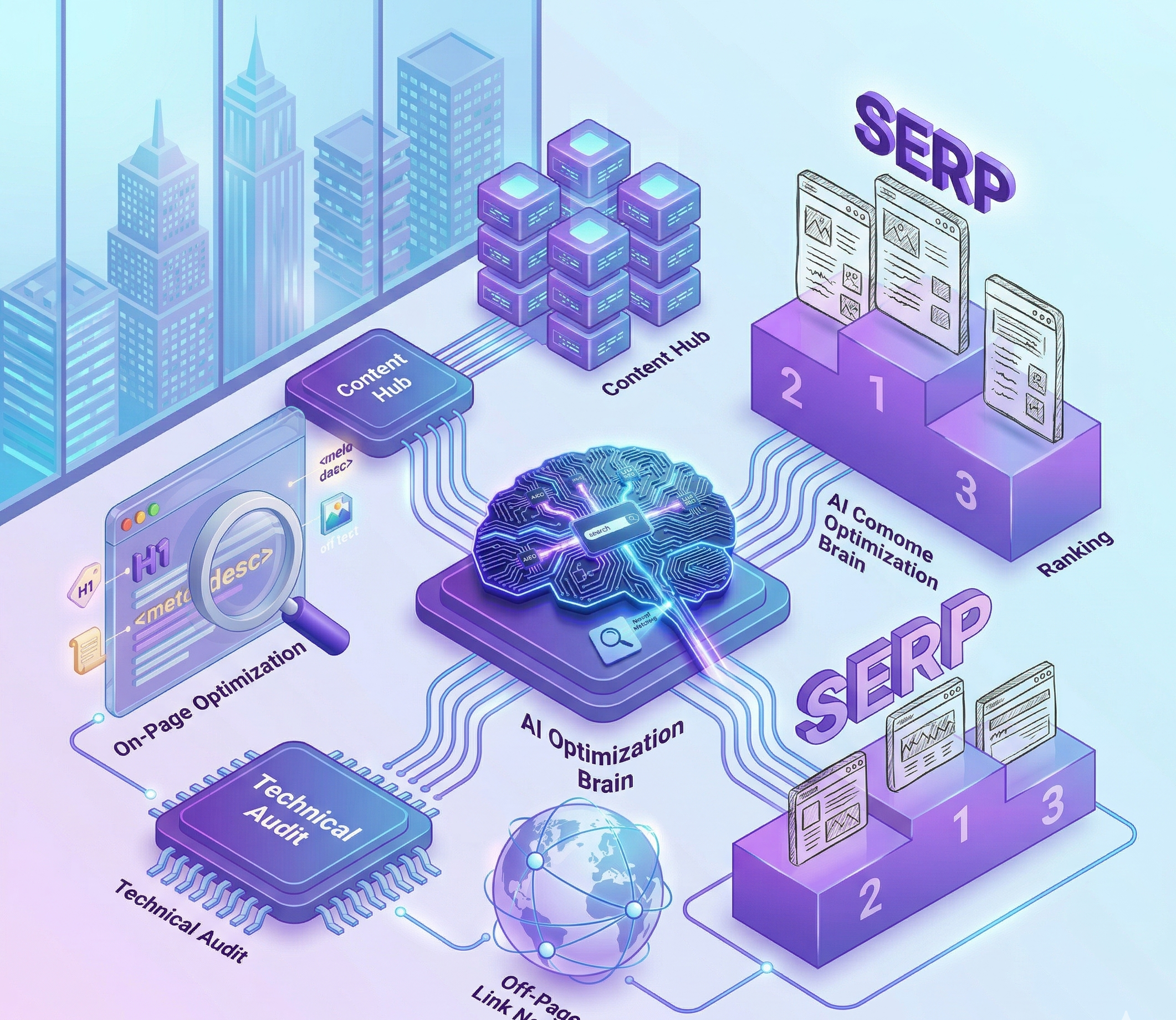
The rules of ecommerce visibility are quietly changing in India. It’s no longer just about ranking on Google—it’s about being recommended by AI. When users ask conversational questions instead of typing keywords, how does your brand show up? That’s where AIEO (AI Engine Optimization) steps in, blending localization with machine understanding in ways traditional SEO simply can’t.
Forward-thinking brands are already adapting by aligning with experts offering SEO Services in Hyderabad, ensuring their ecommerce platforms are ready for AI-driven discovery rather than just search engine rankings.
Why AIEO Matters More in India
India isn’t a single digital market—it’s a mosaic of languages, cultures, and buying behaviors. A user in Kolkata might search differently than someone in Hyderabad, even for the same product. Now layer AI on top of that, and things get… interesting.
According to IBEF.org, India’s ecommerce market is projected to reach $350 billion by 2030. That growth is being driven by regional users, many of whom prefer voice and vernacular search—precisely where AI thrives.
This is why an AI ecommerce strategy must go beyond keywords and tap into intent, language, and context simultaneously.
The Localized AIEO Framework Explained
1. Build AI-Readable Product Ecosystems
Think of your website as a conversation partner for AI. If your product data is messy, inconsistent, or vague, AI simply won’t “trust” it enough to recommend.
- Use structured data (schema) for products, reviews, and FAQs
- Standardize product attributes like size, usage, and category
- Include contextual descriptors (e.g., “summer wear for humid climates”)
It’s a bit like teaching a new employee—clarity upfront saves confusion later.
2. Local Language & Cultural Adaptation
Here’s where many brands underestimate the opportunity. Translating English content into Hindi isn’t enough. Localization means understanding how people actually speak and search.
- Create region-specific landing pages in multiple languages
- Use conversational phrases, not literal translations
- Optimize for voice search patterns in regional dialects
Google’s research on multilingual internet usage (via Google) shows that a majority of new users prefer native language content. Ignoring this is like opening a store but refusing to speak your customer’s language.
3. Conversational Content Mapping
AI search thrives on questions, not keywords. So your content strategy must evolve accordingly.
- Answer real customer queries within product pages
- Use long-tail conversational keywords naturally
- Create FAQ-rich content clusters around buying intent
Brands leveraging SEO service India are already seeing how this shift improves visibility—not just in search results, but in AI-generated recommendations.
Key Ranking Signals in AI Search
Unlike traditional SEO, where backlinks dominated, AIEO introduces a different set of priorities:
- Semantic Clarity: Content must clearly define entities—products, categories, and use cases.
- User Intent Matching: AI prioritizes relevance over keyword density.
- Engagement Signals: Time spent, interaction, and bounce rates still matter—but in a more nuanced way.
A report from McKinsey & Company highlights that personalization can increase ecommerce revenue by up to 40%. AIEO directly fuels this by helping AI recommend the right product to the right user at the right moment.
Common Pitfalls to Avoid
Let’s be honest—most brands are still experimenting with AIEO, and mistakes are inevitable. But a few are particularly costly:
- Over-optimization: Stuffing keywords instead of focusing on natural language
- Ignoring Mobile UX: AI-driven searches are predominantly mobile-based
- One-size-fits-all Content: Failing to adapt for regional audiences
If anything, AIEO rewards authenticity. The more human your content feels, the better AI understands and promotes it.
Future-Proofing Your Ecommerce Brand
AIEO isn’t a one-time checklist—it’s an ongoing process. As AI models evolve, so will the way they interpret and rank content. The brands that win will be those that stay flexible, experiment often, and prioritize user intent over rigid SEO formulas.
Start by optimizing a single category or region. Test conversational content. Analyze how AI surfaces your products. Over time, these small adjustments compound into a powerful visibility engine.
FAQs
What is AIEO in ecommerce?
AIEO focuses on optimizing ecommerce content so AI systems can understand and recommend products in conversational search results.
How does localization impact AI search?
Localization helps AI match user queries with relevant content by considering language, culture, and regional intent.
Is AIEO only for large ecommerce brands?
No, even small brands can benefit by focusing on clear, structured, and user-centric content.
How is AIEO different from SEO?
SEO targets search engine rankings, while AIEO focuses on being selected by AI systems when generating answers.
Final Thoughts
The shift toward AI-driven discovery isn’t coming—it’s already here. Indian ecommerce brands that embrace localized, conversational, and structured optimization today will lead tomorrow’s digital marketplace. In many ways, AIEO is less about algorithms and more about understanding people—something good businesses should have been doing all along.
Blog Development Credits:
This piece was thoughtfully developed under the guidance of Amlan Maiti, crafted with insights from advanced AI tools like ChatGPT, Gemini, and Copilot, and refined through strategic SEO expertise by Digital Piloto.