

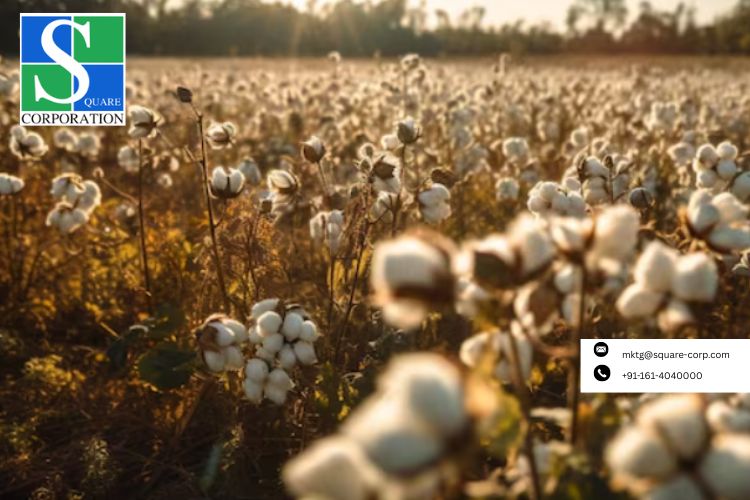
As sustainability becomes more than just a buzzword, India’s recycled yarn industry is stepping into the spotlight. But with so many players, how do you identify the best? Before we dig deeper, let’s understand why choosing a trusted Recycled Yarn Manufacturer truly matters for modern textile brands.
Why Recycled Yarn Is Redefining India’s Textile Future
Walk into any manufacturing cluster today and you’ll notice a shift—mills are talking circularity, designers are discussing waste reduction, and brands are proudly marketing eco-conscious lines. According to rephrased insights from the Ministry of Textiles (texmin.nic.in), India has observed steady growth in recycled fiber utilization over the last few years as global demand tilts toward responsible sourcing.
And honestly, it makes perfect sense. Recycled yarn often blends durability with an earth-friendly footprint, making it a go-to option for apparel, home textiles, and even industrial fabrics.
Top Recycled Yarn Manufacturers Raising the Bar
From established textile hubs like Tiruppur and Surat to newer clusters emerging in Gujarat, several companies are pushing boundaries—adopting advanced recycling technologies, reducing water usage, and experimenting with innovative blends.
What Sets the Best Manufacturers Apart?
- Closed-loop recycling: Many leading manufacturers are reprocessing post-industrial waste to minimize landfill loads.
- Quality consistency: From yarn strength to colorfastness, superior producers maintain strict QC standards.
- Traceability: With global buyers demanding transparency, the best companies provide end-to-end tracking of materials.
In the middle of India’s rapidly evolving textile ecosystem, top-tier Fabric Suppliers in India have also strengthened the supply chain by integrating recycled yarn into a wide array of premium fabrics.
Why India Stands Out in the Global Recycled Yarn Market
India’s edge comes from a blend of skilled labor, modern machinery, and a growing commitment to sustainability. Several textile ministries and export councils have emphasized that transitioning to recycled fibers may reduce carbon emissions significantly, as shared by reworded references from UN Environment Programme (unep.org).
Benefits of Choosing Indian Recycled Yarn
- Cost-effectiveness: Competitive pricing without compromising on quality.
- High-volume production: India’s mills can cater to bulk orders effortlessly.
- Diverse blends: From cotton-poly mixes to innovative organic combinations.
Plus, many manufacturers closely collaborate with Organic Cotton Farms to create cleaner, more responsible yarn blends that meet global sustainability benchmarks.
Qualities to Look for When Selecting a Recycled Yarn Partner
I always tell buyers—don’t just evaluate yarn samples, evaluate the philosophy behind the brand. After all, sustainability isn’t a one-time certificate; it’s a long-term mindset.
- Certifications: Look for GRS, OEKO-TEX, and ISO benchmarks.
- Eco-friendly operations: Reduced water use, renewable energy adoption, and clean dyeing practices.
- Technological advancement: Mills integrated with automated spinning and waste-sorting systems tend to deliver better consistency.
Many established Spinning Mills in India have already upgraded their plants to meet global sustainability protocols—showing that the industry is not only adapting but leading.
Frequently Asked Questions
1. Are recycled yarns as durable as virgin yarns?
Yes, many high-quality recycled yarns perform on par with virgin varieties, especially when blended with natural or synthetic fibers for added strength.
2. Which sectors use recycled yarn the most?
Fashion apparel, home furnishings, sportswear, and industrial textiles are the largest consumers today.
3. How do manufacturers verify sustainability claims?
Companies typically use certifications like GRS (Global Recycled Standard) and conduct third-party audits for transparency.
4. Are recycled yarns suitable for premium fabric production?
Absolutely. With advancements in fiber processing, recycled yarns now support premium apparel, designer fabrics, and luxury home décor.
Also Read: From Spinning to Stitching: Exploring the Textile Lifecycle
Final Thoughts
India’s recycled yarn sector is evolving faster than ever—and that’s good news for brands aiming to balance cost, quality, and conscience. If sustainability is your long-term strategy, partnering with the right manufacturer can genuinely shape your product line for the better.
Blog development Credits:
This blog was conceptualized and refined by the consultants at Square Corporation, combining expert insights with advanced AI-assisted research for enhanced clarity and SEO performance.