

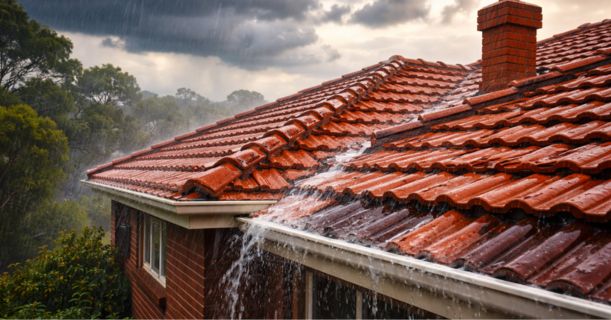
Adelaide weather has a reputation for keeping homeowners on their toes. One week it’s dry and dusty, the next it’s heavy rain driven sideways by strong winds. That constant shift is more than just inconvenient—it’s one of the biggest reasons roofs develop leaks over time. Understanding how local weather affects your roof can save you stress, money, and plenty of unexpected buckets in the hallway.
That’s why issues related to Roof Leak Repairs Adelaide are so common. Roofs here don’t fail overnight; they slowly wear down under the pressure of changing seasons, and leaks are often the first warning sign.
Why Adelaide’s Weather Is Tough on Roofs
Adelaide sits in a zone where Mediterranean-style weather dominates—hot, dry summers followed by cooler, wetter winters. On paper, that sounds manageable. In reality, the frequent swings between heat and moisture place repeated stress on roofing materials.
According to long-term climate summaries published by the Australian Bureau of Meteorology, Adelaide experiences regular heatwaves, seasonal storms, and periods of intense rainfall. Each of these conditions affects roofing materials differently, and often cumulatively.
Also Read: How to Safely Clean and Maintain Different Roofing Materials
Heat and UV Exposure: The Silent Weakener
Summer heat doesn’t usually cause dramatic roof failures—but it quietly sets the stage. Prolonged UV exposure dries out flexible materials like sealants, flashing, and pointing. Over time, they lose elasticity and begin to crack. When rain finally arrives, water has an open invitation to sneak inside.
Heavy Rain and Wind-Driven Storms
Adelaide storms aren’t always frequent, but when they hit, they hit hard. Wind-driven rain can force water upward under tiles or metal sheets, especially if fixings have loosened. Even well-installed roofs can struggle once small gaps form.
Cold Nights and Moisture Build-Up
Winter brings cooler nights, condensation, and persistent dampness. Moisture that doesn’t fully dry out can seep into roof cavities, accelerating timber rot and corrosion. Over time, these hidden issues turn into visible leaks.
Common Weather-Related Roof Leak Causes in Adelaide
After years of inspections, roofing specialists tend to see the same weather-related issues repeat themselves across Adelaide homes:
- Cracked or displaced tiles caused by thermal expansion and contraction.
- Deteriorated flashing around chimneys, vents, and valleys.
- Blocked gutters that overflow during heavy rain, forcing water back into the roofline.
- Rust or corrosion on older metal roofs exposed to moisture.
None of these start as major problems. They develop slowly, which is why many leaks appear “suddenly” after a storm—even though the damage has been building for years.
How Weather Influences Repair vs Replacement Decisions
Not every leak means your roof is at the end of its life. Adelaide’s weather, however, can help determine whether repairs are enough—or if it’s time to consider bigger solutions.
For example, if repeated heat and moisture cycles have caused widespread material fatigue, patch repairs may only offer temporary relief. This is often the point where homeowners start comparing repair costs with the Re Roofing Adelaide Cost, especially if leaks keep returning season after season.
In cases where the structure is sound but the surface has aged, Roof Restoration in Adelaide can offer a middle ground—refreshing protective layers and sealing vulnerabilities without a full replacement.
Seasonal Roofing Patterns Homeowners Should Watch
Roofing problems in Adelaide tend to follow seasonal patterns. Recognizing them early can prevent emergency call-outs.
- Late Summer: Heat-related cracking becomes visible.
- Autumn: Blocked gutters and debris buildup create overflow risks.
- Winter: Leaks appear during prolonged rainfall.
- Spring: Minor damage becomes obvious once things dry out.
A quick inspection at the end of each season can catch issues before they escalate.
Why Adelaide Homes Benefit from Preventive Roof Care
Adelaide’s weather isn’t extreme by global standards—but its consistency is what causes trouble. Repeated exposure wears roofs down slowly, not dramatically. Preventive maintenance works because it interrupts that cycle.
Industry guidance shared by Australian housing authorities highlights regular roof inspections as one of the most cost-effective ways to reduce long-term structural damage. The principle applies just as strongly here in South Australia.
FAQs
Why do roof leaks often appear after heavy rain?
Heavy rain exposes weak points that already exist. Cracks, loose tiles, or degraded sealants may stay hidden until water is forced through them.
Does Adelaide’s heat really damage roofs?
Yes. Prolonged heat dries out materials and causes expansion, which leads to cracking and loosening over time.
Can small leaks wait until summer?
Delaying repairs often makes leaks worse. Moisture trapped during winter can cause rot or mold long before summer arrives.
How often should roofs be inspected in Adelaide?
Most experts recommend at least once a year, plus after major storms or heatwaves.
Final Thoughts
Adelaide’s weather doesn’t destroy roofs overnight—it tests them patiently, season after season. The homes that fare best are the ones where small issues are addressed early. When you understand how climate impacts your roof, leaks stop being surprises and start becoming preventable problems.
Also Read: What Really Drives Roof Tile Costs in Adelaide?
Blog Development Credits
This blog was a team effort fueled by smart ideas. Local Adelaide Roofers picked the topic. Most content was crafted using tools like ChatGPT and Google Gemini.

