

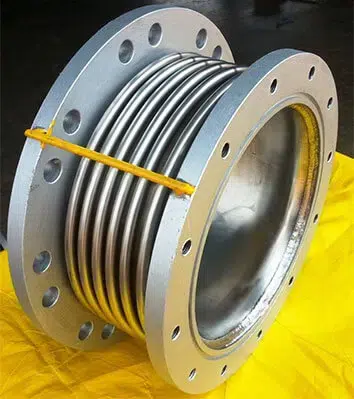
Marine drivetrain systems rarely get the luxury of calm, predictable conditions. Saltwater spray, constant vibration, shifting loads, and long operating hours all come together in a tough environment. This is where bellows quietly step in as unsung heroes. But how exactly do they perform in Indian marine applications, and what challenges do engineers face while using them? Let’s dive in.
In modern vessels-whether coastal cargo ships, fishing trawlers, or offshore support boats-universal joint bellows play a critical role. They protect drivetrain components while allowing controlled movement, something rigid connections simply cannot handle at sea.
Why Bellows Matter in Marine Drivetrain Systems?
A marine drivetrain connects the engine to the propeller shaft, transferring torque across changing angles and distances. Unlike land-based machinery, a vessel’s drivetrain is never perfectly aligned for long. Hull flexing, wave motion, and thermal expansion constantly shift component positions.
Bellows absorb these movements while maintaining sealing integrity. Think of them as shock absorbers with a sealing job-flexible enough to move, strong enough to endure, and precise enough to protect expensive machinery from premature failure.
Key Challenges Faced in Marine Applications
Using bellows in marine environments isn’t straightforward. Indian coastal and offshore conditions bring a unique mix of operational and environmental stresses.
1. Corrosion and Saltwater Exposure
Salt-laden air is notoriously aggressive. Even high-grade metals can degrade faster at sea. According to data from the International Maritime Organization (IMO), corrosion-related failures remain one of the leading causes of marine equipment downtime (imo.org).
2. Constant Vibration and Misalignment
Marine engines rarely operate in perfectly steady conditions. Vibrations from engines and wave-induced motion create continuous micro-movements. Over time, these stresses can fatigue poorly designed bellows.
3. Temperature Variations
Drivetrain components experience heat from engines and cooling from seawater almost simultaneously. Thermal expansion and contraction, if not accommodated properly, can strain rigid connections.
- Engine heat causing axial expansion
- Cold seawater accelerating contraction
- Uneven temperature zones across the drivetrain
Smart Design Solutions That Actually Work
The good news? These challenges are well understood, and modern bellows technology has evolved to meet them.
Material Selection Makes or Breaks Performance
Marine-grade stainless steel, elastomer-coated fabrics, and corrosion-resistant alloys are now commonly used. The right material choice depends on vessel type, operating temperature, and exposure levels.
Designing for Multi-Directional Movement
In Indian shipyards and ports, engineers increasingly prefer universal expansion joints in India because they can handle axial, lateral, and angular movements simultaneously-ideal for compact engine rooms.
For those still evaluating options, resources like Single Or Universal Movement Joint: Which One is the Best? offer practical clarity based on real operating scenarios.
Installation and Maintenance Discipline
Even the best bellows will fail if installed incorrectly. Alignment checks, torque control, and periodic inspections go a long way in extending service life.
- Verify alignment before final tightening
- Inspect bellows during routine dry-dock maintenance
- Replace proactively rather than waiting for visible damage
India-Specific Considerations
India’s marine sector spans inland waterways, coastal shipping, naval applications, and offshore energy. Each comes with different compliance requirements and operating patterns. The Directorate General of Shipping emphasizes preventive maintenance to reduce breakdowns and environmental risks (dgshipping.gov.in).
This makes robust drivetrain components-like flexible bellows-less of an optional upgrade and more of a strategic necessity.
Frequently Asked Questions
1. What is the main purpose of bellows in marine drivetrains?
Bellows accommodate movement, absorb vibration, and protect drivetrain components from misalignment and environmental damage.
2. How often should marine bellows be inspected?
Visual inspections should be part of routine maintenance, with detailed checks during dry-docking or scheduled overhauls.
3. Are universal bellows suitable for small vessels?
Yes, when correctly sized. They are especially useful where space constraints and multi-directional movement exist.
4. What causes premature bellow failure at sea?
Poor alignment, incorrect material choice, excessive vibration, and lack of timely maintenance are the most common causes.
Final Thoughts
Bellows may not be the most visible part of a marine drivetrain, but their impact is significant. In India’s demanding marine environments, choosing the right design, material, and installation approach can mean the difference between smooth sailing and costly downtime. When bellows are treated as engineered solutions-not afterthoughts-they repay the effort with reliability and peace of mind.
Full Audio: Listen Here