

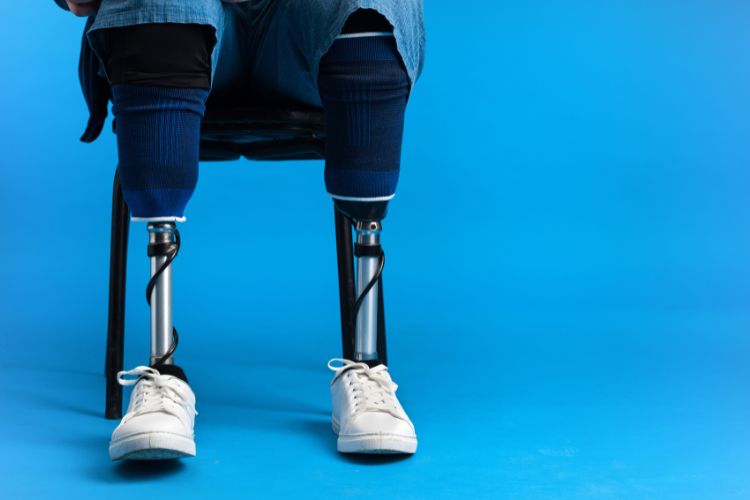
Living with a prosthetic leg isn’t just about mobility it’s about building a daily routine that keeps it reliable, comfortable, and safe. Many users overlook how small habits can extend the lifespan of their device. If you rely on an above knee advanced prosthetic leg, proper maintenance isn’t optional it’s essential for both performance and overall well-being.
Think of your prosthetic like a high-performance machine it supports your every step, adapts to your movements, and quietly takes on a lot of stress. With the right care routine, you not only protect your investment but also improve comfort, reduce complications, and maintain independence.
Why Maintenance Matters More Than You Think?
According to the National Institute of Child Health and Human Development, proper prosthetic care can significantly reduce skin complications and improve mobility outcomes. Neglecting maintenance often leads to discomfort, infections, or even costly repairs. In simple terms, a little effort daily saves a lot of trouble later.
Daily Cleaning Routine
Your prosthetic interacts with your skin all day, so hygiene is non-negotiable. Sweat, dirt, and bacteria can build up quickly, especially in humid climates.
- Clean the socket daily using a mild soap and warm water
- Dry thoroughly to prevent moisture buildup
- Wipe liners and sleeves after each use
- Avoid harsh chemicals that may damage materials
Many users say this routine becomes second nature within a week and it makes a noticeable difference in comfort.
Inspect Before You Step Out
A quick inspection can prevent unexpected issues during your day. You don’t need technical expertise just a few mindful checks.
- Look for cracks or unusual wear on joints and components
- Check for loose screws or unusual sounds while walking
- Ensure proper alignment and fit
If something feels “off,” trust that instinct. It’s better to address minor issues early than deal with major repairs later.
Skin Care Is Part of Prosthetic Care
Your residual limb does a lot of work, so keeping it healthy is just as important as maintaining the device itself.
- Wash and dry your skin daily to avoid irritation
- Use doctor-recommended moisturizers (avoid oily products before wearing)
- Check for redness, sores, or pressure points
Interestingly, studies from the Amputee Coalition suggest that consistent skin care reduces complications in long-term prosthetic users.
Professional Check-Ups Are Non-Negotiable
Even if everything seems fine, regular visits to specialists in prosthetics and orthotics are essential. These experts can detect alignment issues, wear-and-tear, or fit problems that may not be obvious.
A general rule of thumb:
- Schedule a professional check-up every 6–12 months
- Visit sooner if you notice discomfort or reduced mobility
- Replace worn-out parts as recommended
Think of it like servicing a car you might not notice the problem until it’s too late.
Smart Storage and Handling Tips
When not in use, how you store your prosthetic matters more than you’d expect.
- Keep it in a dry, cool place away from direct sunlight
- Avoid placing heavy objects on it
- Store liners separately to maintain hygiene
These small precautions help preserve the materials and ensure long-term durability.
Common Mistakes to Avoid
Even experienced users slip up occasionally. Here are a few pitfalls to steer clear of:
- Skipping cleaning routines on busy days
- Ignoring minor discomfort or unusual sounds
- Using unapproved cleaning products
- Delaying professional adjustments
It’s easy to overlook these, but over time, they can impact both comfort and safety.
FAQ Section
1. How often should I clean my prosthetic leg?
Ideally, you should clean the socket and liner daily to maintain hygiene and prevent skin irritation.
2. When should I see a prosthetist?
If you experience discomfort, unusual noises, or changes in fit, schedule a visit immediately even if your last check-up was recent.
3. Can I use regular cleaning products?
No, it’s best to use mild soap and water. Harsh chemicals can damage prosthetic materials and reduce lifespan.
4. How long does an above-knee prosthetic last?
With proper care, components can last several years, but regular maintenance and part replacement are essential.
Final Thoughts
Maintaining your prosthetic leg isn’t complicated it’s about consistency. A few minutes each day can dramatically improve comfort, safety, and durability. Over time, these habits become part of your routine, helping you move through life with confidence and ease. After all, when your prosthetic works seamlessly, you’re free to focus on what truly matters living fully.