

Flying Squirrel Holidays brings Indian travelers closer to one of the most thrilling wildlife experiences on Earth—the legendary Masai Mara safari. Have you ever imagined watching a lion stroll across golden grasslands or witnessing a massive elephant herd at sunrise? A safari in Kenya’s most celebrated reserve turns those dreams into unforgettable memories.
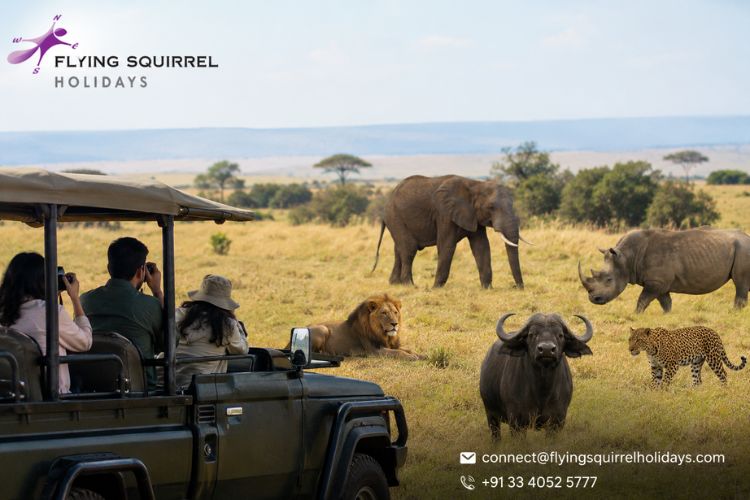
For travelers looking for a seamless African adventure, a Masai Mara Tour Package from Kolkata offers the perfect gateway to the African wilderness. Beyond breathtaking landscapes, Masai Mara is famous for the “Big Five” — lion, leopard, elephant, rhino, and buffalo — animals once considered the most challenging for hunters to track but now treasured by wildlife enthusiasts and photographers alike.
What Makes the Big Five So Special?
The term “Big Five” originated during the colonial hunting era, but today it represents the ultimate wildlife-viewing checklist for safari travelers. Spotting all five animals during a single trip is considered a remarkable achievement.
Masai Mara National Reserve is one of the few places in Africa where visitors have a realistic chance of seeing all five species in their natural habitat. According to the Masai Mara Travel Guide, the reserve supports an impressive concentration of wildlife throughout the year, making it a premier safari destination.
The Big Five at a Glance
- Lion: Often seen lounging in open grasslands or hunting in prides.
- Leopard: Elusive and elegant, usually spotted resting in trees.
- African Elephant: Gentle giants roaming vast savannahs.
- Black Rhino: Rare and highly protected, making every sighting memorable.
- African Buffalo: Powerful herd animals commonly found near water sources.
Why Indian Tourists Love Masai Mara
There’s something uniquely exciting about stepping into a landscape that feels straight out of a wildlife documentary. For many Indian travelers, Masai Mara offers a refreshing change from traditional international holidays centered around cities, shopping, or beaches.
The safari experience is surprisingly comfortable too. Luxury tented camps, Indian meal options at several lodges, experienced guides, and well-organized game drives make the destination suitable for families, couples, honeymooners, and even senior travelers.
Another major attraction is the Great Migration, often described as one of the world’s greatest wildlife spectacles. Every year, millions of wildebeest and zebras cross between Tanzania and Kenya in search of fresh grazing grounds. The National Geographic highlights this migration as one of nature’s most extraordinary events.
What to Expect During a Game Drive
A typical safari day begins before sunrise. The cool morning hours offer the best opportunity to spot predators in action. As the day progresses, guides navigate through different habitats, increasing the chances of wildlife sightings.
Highlights of a Typical Safari Day
- Early morning game drive with fresh wildlife activity.
- Breakfast in the bush or at the safari camp.
- Relaxation and photography sessions during midday.
- Evening game drive during the golden hour.
- Campfire stories under Africa’s star-filled sky.
Many visitors say the unexpected moments become their favorite memories—a leopard suddenly emerging from a tree line or a herd of elephants crossing directly in front of the vehicle.
Planning Your Safari from India
When comparing International Tour Packages from Kolkata, Masai Mara stands out because it combines adventure, luxury, wildlife, and culture in a single journey.
Choosing experienced travel specialists can make a significant difference. Many travelers rely on trusted International Tour Companies in India to handle visas, flights, accommodations, transfers, and safari permits, ensuring a stress-free experience.
Expert Tips for Indian Travelers
- Carry binoculars for better wildlife viewing.
- Pack neutral-colored clothing to blend into the environment.
- Bring a camera with a zoom lens for stunning wildlife photography.
- Travel during July to October for migration season.
- Stay at least 4–5 nights for a more rewarding safari experience.
Best Time to Visit Masai Mara
Masai Mara is a year-round destination, but each season offers something different. July to October is ideal for witnessing the Great Migration. December to March provides excellent wildlife viewing with fewer crowds, while the green season showcases dramatic landscapes and vibrant birdlife.
Whether you’re interested in a luxury safari, wildlife photography safari, or African adventure holiday, timing your trip according to your interests can greatly enhance the experience.
Frequently Asked Questions
Q. How many days are ideal for a Masai Mara safari?
A. A stay of 4–5 days is generally recommended to maximize wildlife sightings and enjoy multiple game drives.
Q. Is Masai Mara suitable for families with children?
A. Yes. Many safari lodges offer family-friendly accommodations and guided activities designed for younger travelers.
Q. Can Indian vegetarians find suitable food options?
A. Absolutely. Many safari camps and lodges cater to vegetarian and Indian dietary preferences.
Q. What are the chances of seeing all Big Five animals?
A. While wildlife sightings can never be guaranteed, Masai Mara is among the best locations in Africa for spotting all five species.
Final Thoughts
A Masai Mara safari is far more than a vacation—it’s an immersive encounter with nature at its most spectacular. From tracking lions across open plains to witnessing elephants against a dramatic African sunset, every moment feels extraordinary. For Indian travelers seeking a once-in-a-lifetime wildlife journey, Masai Mara remains one of the world’s most rewarding safari destinations.
Blog Development Credit
This blog was developed through a collaborative content research process utilizing insights from advanced AI platforms including ChatGPT and Google Gemini. Topic research, content refinement, SEO optimization, and final editorial review were executed as part of the Flying Squirrel Holidays Digital Content Project to deliver valuable and traveler-focused information.