

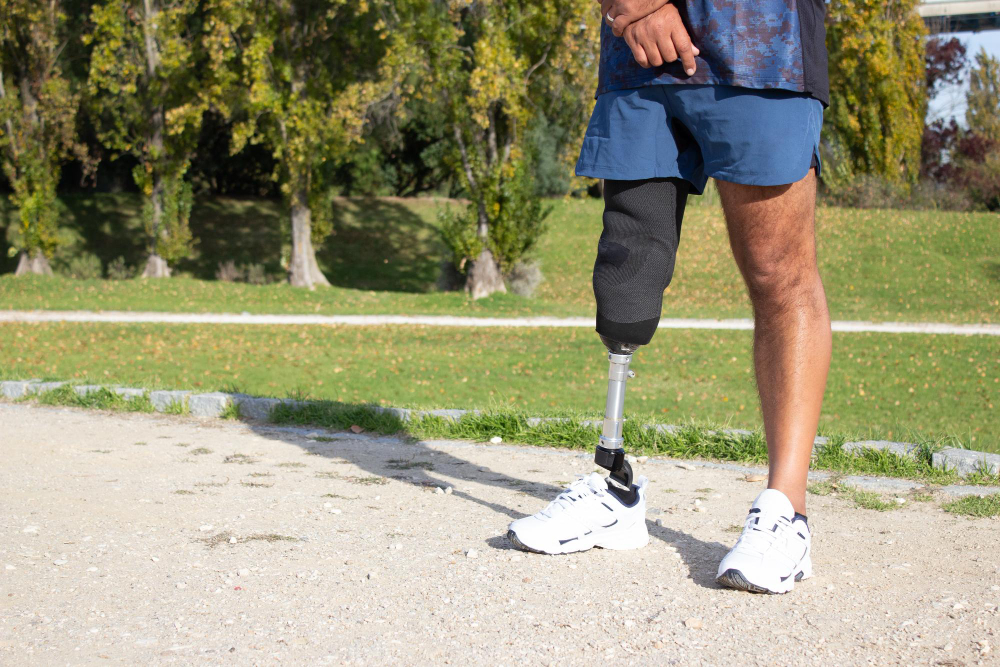
Returning to work after a below-knee amputation can feel like stepping into unfamiliar territory. Questions about mobility, workplace expectations, and personal confidence often surface long before the first day back. The good news? With the right support system, preparation, and mindset, many people successfully rebuild their professional lives and discover new strengths along the way.
For individuals using below knee prosthetics, the journey back to employment is not simply about walking again. It involves adapting to new routines, managing energy levels, and regaining the confidence needed to thrive in a workplace environment. In a bustling city like Kolkata, where commuting and busy workdays are common, planning ahead can make a significant difference.
Understanding the Return-to-Work Journey
Every recovery journey is unique. Some people return to work within a few months, while others may need additional rehabilitation and training. Factors such as the nature of the job, physical condition, emotional well-being, and prosthetic comfort all influence the timeline.
According to research and rehabilitation organizations, many individuals with lower-limb amputations successfully return to productive employment when they receive appropriate rehabilitation, workplace accommodations, and ongoing support. Source: Amputee Coalition.
The key is to focus on gradual progress rather than comparing yourself with others. Recovery rarely follows a straight line, and small victories often lead to major milestones.
Preparing Physically Before Returning
A successful return to work starts with physical readiness. Whether your role involves sitting at a desk, standing for long periods, or moving around frequently, building endurance is essential.
Areas to Focus On
- Prosthetic adaptation: Ensure your prosthetic limb fits comfortably and supports your daily activities.
- Strength training: Focus on core, hip, and leg muscles to improve balance and stability.
- Walking endurance: Gradually increase walking distances to mimic workplace demands.
- Energy management: Learn how to balance activity and rest throughout the day.
Many rehabilitation specialists recommend practicing tasks that resemble your work routine. If you regularly climb stairs, carry items, or travel across large office spaces, incorporating those activities into therapy can improve readiness.
The Importance of Workplace Communication
One aspect that is often overlooked is communication. Informing your employer about any accommodations you may need helps create a smoother transition.
You don’t need to share every detail of your medical journey. Instead, focus on practical considerations that can improve your work experience.
Examples of Helpful Accommodations
- Flexible start and end times during the adjustment period.
- Access to elevators or accessible workspaces.
- Ergonomic seating arrangements.
- Additional breaks for prosthetic adjustments if necessary.
Many employers today are more aware of accessibility needs than ever before. Open conversations often lead to solutions that benefit both employees and organizations.
Managing Confidence and Emotional Well-Being
Physical recovery is only one part of the equation. Emotional adjustment can be equally important when returning to work after limb loss.
It’s natural to wonder how colleagues might react or whether workplace tasks will feel different. These concerns are common, yet they often diminish once routines begin to normalize.
Consider these confidence-building strategies:
- Practice your daily commute before your first day back.
- Set realistic expectations for the first few weeks.
- Celebrate small achievements and improvements.
- Stay connected with rehabilitation professionals and support groups.
Many people find inspiration by reading educational resources such as Enhancing Foot Health with CuraFoot’s Prosthetic Solutions, which highlights the importance of proper prosthetic care and long-term mobility.
Choosing the Right Prosthetic Solution
The quality and functionality of a prosthetic limb can significantly influence workplace comfort and performance. Whether you work in an office, retail setting, educational institution, or industrial environment, selecting a prosthetic solution that aligns with your lifestyle is crucial.
During the decision-making process, many individuals research factors such as durability, technology, maintenance requirements, and the artificial leg price in Kolkata. While cost is certainly important, long-term comfort, fit, and functionality should remain top priorities.
Working closely with experienced prosthetists can help identify the most suitable option based on your profession and daily activities.
Navigating Kolkata’s Work Environment
Kolkata presents unique challenges and opportunities for professionals returning to work. Crowded public transportation, busy streets, and large office complexes may initially seem overwhelming. However, preparation can make these situations more manageable.
Many individuals choose to:
- Test transportation routes during non-peak hours.
- Identify accessible entrances and facilities in advance.
- Allow extra travel time during the first few weeks.
- Keep basic prosthetic care supplies readily available.
Over time, these routines become second nature and contribute to greater independence.
Frequently Asked Questions
1. How long does it take to return to work after a below-knee amputation?
The timeline varies based on individual recovery, rehabilitation progress, prosthetic adaptation, and job requirements. Some individuals return within a few months, while others may require additional time.
2. Can I continue the same job after a below-knee amputation?
In many cases, yes. With proper rehabilitation, prosthetic support, and workplace accommodations, individuals often return to their previous roles successfully.
3. Will I need workplace modifications?
Not always. However, certain adjustments such as accessible workstations, flexible schedules, or ergonomic seating may improve comfort and productivity.
4. How important is prosthetic maintenance for working professionals?
Regular maintenance is essential. A properly fitted and well-maintained prosthetic limb helps improve comfort, mobility, safety, and overall workplace performance.
Final Thoughts
Returning to work after a below-knee amputation is a significant milestone that combines determination, preparation, and support. While challenges may arise, countless individuals have successfully rebuilt their careers and regained independence. With the right prosthetic solution, rehabilitation plan, and confidence-building strategies, a fulfilling professional future remains well within reach for people across Kolkata and beyond.
Full Audio: Listen Here