

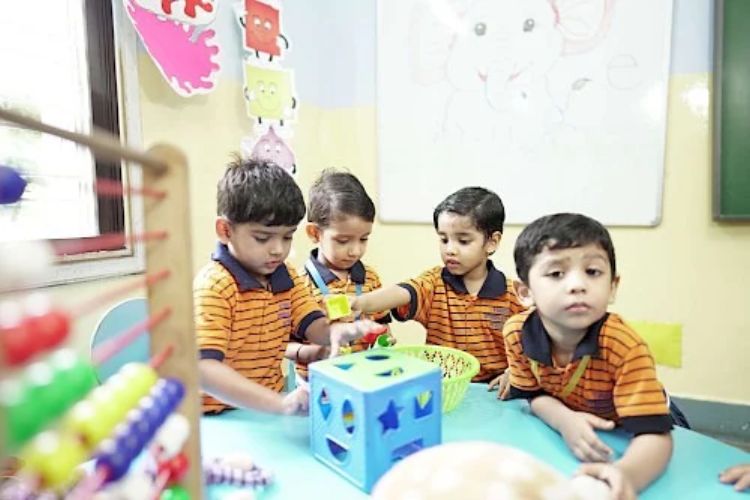
Confidence is one of the most valuable qualities a child can develop during the early years of education. It helps children express their thoughts, ask questions, make friends, and approach unfamiliar situations without hesitation. English medium education, when supported by caring teachers and interactive learning, can create meaningful opportunities for young learners to develop these abilities.
For parents exploring an english medium school in Hooghly, understanding how language-based learning influences a child’s personality can make school selection easier. Beyond textbooks and examinations, the right educational environment encourages children to communicate naturally, participate in activities, and gradually become comfortable expressing themselves.
How English Medium Education Develops Communication Skills?
Communication is one of the first areas where children can experience the benefits of English medium education. Regular exposure to English through classroom discussions, storytelling, reading, and everyday interactions helps young learners become familiar with the language.
Initially, some children may hesitate to speak because they are unsure about pronunciation or sentence formation. This is completely natural. With regular practice and positive encouragement, they gradually learn to communicate their thoughts more comfortably.
As their vocabulary develops, children become better equipped to ask questions, explain their ideas, and participate in conversations. These everyday experiences can strengthen their confidence both inside and outside the classroom.
Encouraging Children to Express Their Thoughts Freely
A confident child is not necessarily the one who speaks the loudest. True confidence develops when children feel comfortable sharing their opinions without constantly worrying about making mistakes.
English medium classrooms can encourage this through activities that give every student an opportunity to participate. Teachers can introduce group conversations, question-and-answer sessions, storytelling, and short presentations to help children express themselves.
For example, asking students to describe their favourite animal or narrate a small incident from their day gives them a simple reason to speak. These activities may appear ordinary, but repeated opportunities to communicate can gradually reduce hesitation.
Most importantly, teachers should appreciate children’s efforts rather than focusing only on grammatical mistakes. A supportive atmosphere makes learning feel enjoyable instead of intimidating.
Building Confidence Through Classroom Participation
Classroom participation helps children move beyond passive learning. Instead of simply listening to lessons, students become active contributors to the learning process.
When children answer questions, participate in discussions, and work with classmates, they learn to trust their abilities. Even a small achievement, such as answering a question correctly or explaining an idea, can encourage them to participate more frequently.
Teachers can support this development through several classroom activities:
- Storytelling sessions: Children learn to organise thoughts and communicate ideas in their own words.
- Group discussions: Students develop listening skills and become comfortable sharing different opinions.
- Show-and-tell activities: Talking about familiar objects helps young learners practise speaking before an audience.
- Role-playing exercises: Children explore different situations while improving communication and social interaction.
These experiences make the classroom more engaging while allowing children to discover their individual strengths.
The Importance of a Supportive and Inclusive Learning Environment
Language learning should never become a source of fear or embarrassment. Children come from different family backgrounds, and their exposure to English outside school can vary considerably. Some may communicate comfortably from an early age, while others need additional time and encouragement.
A good school recognises these differences and provides opportunities for every learner to progress at a comfortable pace. Teachers can use familiar examples, visual learning materials, interactive activities, and supportive conversations to make lessons easier to understand.
Research from the British Council’s 2026 Multilingual Education project, conducted with academic partners, highlights how thoughtfully combining home languages with English can improve comprehension, classroom participation, and learner confidence. This suggests that children do not need to abandon their mother tongue to develop English proficiency.
When students feel accepted and understood, they are more likely to ask questions, explore new ideas, and participate without unnecessary anxiety.
Developing Social Skills and Stronger Relationships
Confidence is not limited to academic performance. It also influences how children interact with friends, teachers, and people around them.
English medium education provides opportunities for students to practise communication through collaborative assignments, group projects, cultural programmes, and extracurricular activities. These experiences help children learn how to listen, cooperate, share responsibilities, and respect different viewpoints.
For instance, when students prepare a classroom presentation together, they learn to contribute ideas and work towards a shared goal. Such interactions can improve their sense of belonging and encourage positive relationships with classmates.
Parents considering the best ICSE schools in Howrah should therefore look beyond academic results and consider whether the school provides opportunities for social development, teamwork, and creative expression.
How Extracurricular Activities Strengthen Self-Belief?
Every child has different interests and abilities. While some enjoy reading and speaking, others may discover their strengths through music, sports, dance, art, or creative activities.
Extracurricular participation gives children opportunities to explore these interests and experience achievement beyond academic examinations. Performing on stage, participating in a sports competition, or representing a classroom team can help students overcome hesitation and develop a stronger sense of self-belief.
Schools that balance academics with sports, cultural activities, and creative learning can support a more complete educational experience. These opportunities also teach children that success comes through preparation, practice, teamwork, and perseverance.
The Role of Vision International School in Holistic Development
Vision International School in Uttarpara, Hooghly, is an English-medium, co-educational institution affiliated with the Council for the Indian School Certificate Examinations (CISCE), New Delhi. Established in 2008 under the Vision Educational Trust, the school was founded with the objective of providing quality education and creating a progressive learning environment for children.
The institution focuses on academic development alongside the development of new-age skills that prepare students for future opportunities. Its educational approach combines traditional teaching methods with modern techniques, helping create a learning environment where children can develop knowledge, discipline, creativity, and independent thinking.
With educational opportunities across pre-primary, primary, junior, middle, and senior school levels, Vision International School aims to support students through different stages of their academic journey. A balanced educational experience can help young learners become more comfortable with communication, classroom responsibilities, and collaborative activities.
For parents in Uttarpara and the surrounding Hooghly and Howrah areas, choosing a school involves considering teaching quality, infrastructure, extracurricular opportunities, and the overall learning atmosphere. Vision International School places importance on academic standards and holistic development, making it an institution parents can consider while evaluating suitable school options.
Frequently Asked Questions (FAQs)
1. How does English medium education improve children’s confidence?
English medium education provides regular opportunities to practise communication through reading, speaking, classroom discussions, and group activities. With supportive teaching, children gradually become more comfortable expressing their thoughts and interacting with others.
2. Does English medium education help develop communication skills?
Yes. Regular exposure to English through lessons, storytelling, presentations, and everyday classroom conversations helps children develop vocabulary, listening abilities, and spoken communication skills.
3. Why are extracurricular activities important for young learners?
Extracurricular activities help children explore their interests, develop teamwork, overcome stage hesitation, and recognise their individual abilities. They also support social and emotional development beyond academics.
4. What should parents consider when choosing an English medium school in Hooghly?
Parents should consider teaching quality, classroom environment, student safety, infrastructure, communication opportunities, extracurricular activities, and the school’s approach towards overall development.
Final Thoughts
English medium education can play an important role in developing confident, expressive, and independent young learners. However, language proficiency alone does not create confidence. Children also need patient teachers, encouraging parents, meaningful classroom experiences, and opportunities to discover their abilities. By choosing a school that values both academic learning and personal development, parents can give their children a stronger foundation for a confident future.