

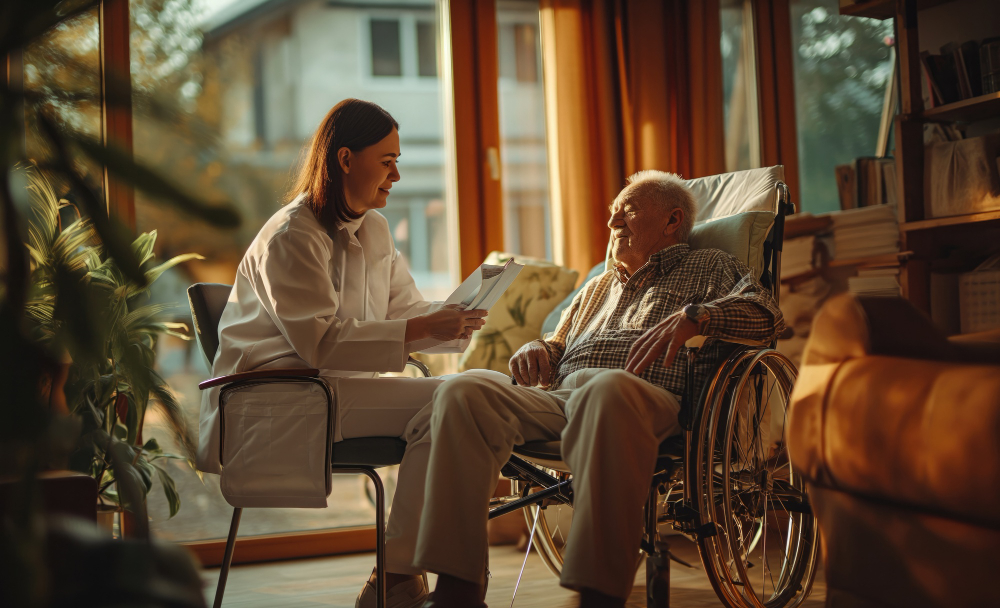
Coming home after a hospital stay can feel like a relief, but for an older adult, it can also be the most delicate part of recovery. A familiar home does not automatically mean a safe recovery. With the right support, home care services Saratoga can make those first days less stressful while helping seniors regain confidence and independence.
Why the First Days at Home Matter?
Hospital discharge rarely means someone is completely back to normal. A senior may still feel weak, tire quickly, have difficulty walking, or need help remembering a new medication routine. Even simple tasks such as preparing breakfast or getting safely into the shower can suddenly require more effort.
The transition is a little like moving from a carefully supervised lane back onto a busy road. At home, there are more variables, and small oversights can become bigger problems. A caregiver can provide practical assistance while keeping an eye out for changes that may deserve attention.
The Medicare.gov Care Compare resource emphasizes the importance of understanding care needs and services when transitioning between healthcare settings. For families, that means thinking beyond the discharge date and considering what support will actually be available once the senior walks through the front door.
What Can Home Care Provide After Discharge?
Good home care does not have to take over a senior’s life. In fact, the best support often does the opposite: it helps a person do what they can safely do for themselves.
1. Help with everyday routines
A caregiver may assist with bathing, dressing, grooming, meal preparation, mobility, light housekeeping, and other daily activities. This can be especially useful when fatigue makes ordinary routines feel surprisingly demanding.
2. Support with medication routines
After hospitalization, medication schedules can sometimes become more complicated. A caregiver can provide reminders and help maintain an organized routine, while the senior’s medical team remains responsible for medication decisions and clinical instructions.
3. Safer movement around the home
Getting up from a chair, navigating stairs, or walking to the bathroom may feel different after several days of limited activity. Practical assistance can reduce unnecessary strain and encourage safer movement.
- Bathroom: Keep frequently used items within easy reach and reduce unnecessary obstacles.
- Bedroom: Make sure pathways are clear, particularly during nighttime trips to the bathroom.
- Kitchen: Place everyday foods, dishes, and utensils where the senior can reach them without climbing or stretching.
How Caregivers Can Support a Smoother Recovery?
Recovery is not always a straight line. Some mornings may be energetic, while an afternoon nap becomes unavoidable. This is where consistent senior home care can be valuable.
Rather than simply completing chores, a thoughtful caregiver can help establish a manageable rhythm: meals at appropriate times, rest between activities, safe movement, hydration, and companionship. For families in Saratoga who cannot be present throughout the day, that steady presence can provide considerable peace of mind.
According to the CDC, falls are a major concern for older adults, with millions of older people experiencing a fall each year. After a hospital stay, when strength or balance may be temporarily reduced, paying attention to fall risks becomes even more sensible.
Watch for changes rather than assuming they are “just part of recovery”
Families and caregivers should pay attention to noticeable changes in a senior’s condition and follow the discharge team’s instructions about when to contact a healthcare professional. Home care is not a substitute for medical treatment, but caregivers can provide useful observations that families can share with the appropriate clinician.
- Sudden or unusual changes in alertness or behavior
- New difficulty with everyday movement
- Significant changes in appetite or fluid intake
- Problems following the prescribed care routine
- Symptoms that the discharge instructions identify as requiring medical attention
Why Personalized Support Makes a Difference?
Every hospital stay leaves a different footprint. One senior may need help mainly with mobility, while another may need assistance with meals, personal care, and maintaining a daily routine.
For a Saratoga family, personalized post-hospital home care can therefore be more practical than a one-size-fits-all schedule. The level of assistance can be shaped around the person’s abilities, preferences, home environment, and recovery plan.
There is also an emotional side to consider. Returning home can bring relief, but it may also bring anxiety: “What if I fall?” “What if I forget something?” Having a familiar caregiver nearby can make the transition feel less overwhelming.
How Families Can Prepare Before Discharge?
A little planning before the senior leaves the hospital can prevent plenty of last-minute scrambling.
- Review the discharge instructions: Understand appointments, restrictions, medications, and recommended follow-up.
- Prepare the home: Clear walking paths and place essential items where they are easy to access.
- Arrange support: Decide who will help with meals, transportation, personal care, and daily routines.
- Keep important contacts handy: Make sure family members and caregivers know whom to contact if concerns arise.
Frequently Asked Questions
1. How soon can home care begin after a hospital stay?
Home care can often begin as soon as the senior returns home, depending on the family’s needs and the care provider’s availability. Planning before discharge can make the transition smoother.
2. Can home care replace follow-up medical appointments?
No. Home care supports daily living and recovery routines, but it does not replace physicians, nurses, therapists, or other healthcare professionals. Seniors should continue the follow-up recommended by their medical team.
3. What if a senior only needs temporary assistance?
Temporary support can be useful while strength, mobility, and confidence return. The appropriate level and duration of care can depend on the senior’s individual situation and recovery needs.
4. Is home care useful for seniors who live alone in Saratoga?
Yes. A caregiver can provide practical assistance and companionship while helping families stay informed about changes in the senior’s day-to-day condition.
Final Thoughts
Coming home is an important milestone, but recovery does not necessarily end at the hospital door. For seniors in Saratoga, thoughtful home care can turn a potentially difficult transition into a more organized, comfortable, and confident return to everyday life. Sometimes, the most helpful support is simply having the right person there when ordinary tasks are no longer quite so ordinary.
Full Audio: Listen Here