

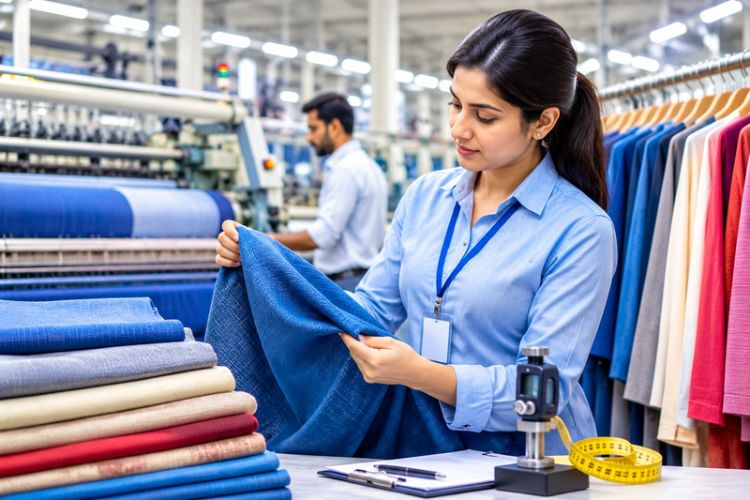
The global textile market demands more than competitive pricing. International buyers expect consistent fabric quality, reliable product specifications, safe materials, and compliance with destination-country regulations. For exporters, maintaining these standards is essential to building long-term business relationships and avoiding shipment rejections.
Ludhiana has developed a strong reputation in India’s textile and yarn industry. Established businesses such as Square Corporation have contributed to the region’s textile trade through decades of experience in yarn sourcing and exports. A reliable Textile Supplier Punjab understands the importance of quality control, supplier coordination, and international buyer expectations.
But how do textile exporters in Ludhiana maintain quality throughout the supply chain? Let’s explore the essential processes, certifications, and testing practices involved.
1. Understanding International Textile Quality Requirements
International textile quality standards vary depending on the destination market, product category, and intended application. A fabric intended for children’s clothing may require different safety checks from decorative home textiles or industrial fabrics.
Exporters must understand buyer specifications before starting production. These may include:
- Fabric composition and yarn count.
- GSM (grams per square metre).
- Colour consistency and shade matching.
- Shrinkage and dimensional stability.
- Seam strength and fabric durability.
- Colourfastness to washing, rubbing, and perspiration.
- Chemical safety and restricted substances.
Understanding these requirements early helps manufacturers avoid production errors and maintain consistency across bulk orders.
2. Implementing Strict Quality Control at Every Production Stage
Quality assurance begins with raw material selection and continues until the finished textile product is ready for shipment.
Professional exporters and manufacturers generally use multiple inspection stages to identify defects before they affect the final order.
Raw material inspection: Cotton, polyester, viscose, and other fibres are checked for consistency, cleanliness, and suitability for the required yarn or fabric.
Yarn quality testing: Yarn count, strength, evenness, twist, and other technical properties are evaluated to maintain uniformity.
Fabric inspection: Woven or knitted fabrics are examined for holes, uneven patterns, stains, weaving defects, and variations in texture.
Dyeing and finishing checks: Colour matching, chemical application, shrinkage, and fabric finishing are monitored to achieve the buyer’s specifications.
Final inspection: Finished products undergo measurements, visual checks, packaging verification, and documentation review before dispatch.
This systematic approach reduces manufacturing inconsistencies and improves buyer confidence.
3. Following International Textile Certifications
Certifications help exporters demonstrate that their products and production processes meet recognised requirements. However, the appropriate certification depends on the product, buyer, and target market.
OEKO-TEX STANDARD 100
OEKO-TEX STANDARD 100 focuses on testing textiles for harmful substances. Its four product classes cover baby products, textiles with direct skin contact, products without direct skin contact, and home textiles. The requirements vary according to the intended use of the product.
Global Organic Textile Standard (GOTS)
GOTS supports organic textile production through requirements covering processing, manufacturing, packaging, labelling, and distribution. It also addresses environmental management and social criteria across relevant production stages. This certification is particularly important for buyers sourcing organic cotton and other eligible organic-fibre textiles.
ISO 9001 Quality Management
ISO 9001 provides a framework for establishing and maintaining a quality management system. It helps organisations document processes, monitor performance, manage non-conformities, and improve customer satisfaction.
It is important to understand that these certifications serve different purposes. An exporter should not claim certification without valid documentation and the appropriate certified scope.
4. Meeting Destination-Country Chemical Safety Regulations
Chemical compliance is an important consideration when exporting textiles to international markets.
For example, the European Union’s REACH Regulation restricts certain hazardous chemicals in clothing, textiles, and footwear. These restrictions are intended to protect consumers and the environment.
Exporters can strengthen chemical compliance by:
- Maintaining a restricted substances list (RSL).
- Checking dyes, pigments, and finishing chemicals.
- Requesting chemical declarations from suppliers.
- Conducting laboratory tests when required.
- Maintaining traceable chemical purchase records.
- Reviewing updated regulations in target markets.
Different countries and buyers may apply additional requirements. Therefore, exporters should confirm the applicable rules before accepting an order.
5. Conducting Laboratory Testing and Fabric Performance Checks
Laboratory testing helps determine whether textile products meet technical and performance specifications.
The Bureau of Indian Standards (BIS) recognises several textile testing methods covering fabric strength, colourfastness, dimensional stability, and other properties.
Important tests include:
- Tensile strength testing: Measures the force a fabric can withstand before breaking.
- Tear strength testing: Evaluates resistance to tearing.
- Colourfastness testing: Checks whether colours withstand washing, rubbing, light, and perspiration.
- Shrinkage testing: Measures dimensional changes after washing or other treatments.
- Pilling resistance testing: Evaluates the formation of small fibre balls on fabric surfaces.
- Fabric composition testing: Verifies the fibre composition stated in product specifications.
Exporters can work with suitable textile laboratories to obtain reliable test reports. Testing frequency should depend on product specifications, buyer requirements, applicable standards, and production risks.
6. Maintaining Consistency Across Bulk Orders
Producing one high-quality sample is not enough. International buyers expect every production batch to maintain the approved specifications.
Ludhiana-based textile exporters can strengthen consistency through:
- Approved pre-production samples.
- Standardised production specifications.
- Regular machine maintenance.
- Batch-wise inspection records.
- Supplier performance monitoring.
- Documented corrective actions.
A well-maintained quality management system helps identify recurring defects and prevent similar problems in future orders.
Consistency is particularly important for buyers placing repeat orders, as even minor differences in yarn quality, fabric weight, or colour can affect their finished products.
7. Ensuring Transparency Through Documentation and Traceability
Documentation is another important part of international textile trade. Buyers often require evidence that products match agreed specifications and applicable compliance requirements.
Useful documents may include:
- Product specification sheets.
- Raw material records.
- Laboratory test reports.
- Inspection certificates, where required.
- Relevant certification documents.
- Commercial invoices and packing lists.
- Shipping and export documentation.
Traceability also helps exporters identify the origin of raw materials and track production batches. This becomes especially valuable when buyers request additional information or when a quality issue needs investigation.
8. Why International Buyers Value Experienced Textile Exporters in Ludhiana
International buyers generally look for suppliers who can balance product quality, competitive pricing, communication, and dependable delivery.
Ludhiana’s textile ecosystem offers access to yarn sourcing, manufacturing, and related textile businesses. Square Corporation began its journey in Ludhiana in 1994 as a yarn agency serving export markets and has since expanded into yarn sourcing and exporting, textile manufacturing, apparel, real estate, and hospitality.
When evaluating textile trading companies in India, international buyers should consider:
- Experience in textile sourcing and exports.
- Understanding of international specifications.
- Consistency in product quality.
- Transparent business communication.
- Reliable supplier relationships.
- Ability to provide relevant quality documentation.
For buyers interested in responsible cotton sourcing, understanding GOTS-Certified Cotton: Why Certification Matters to Buyers can also help when evaluating suppliers and certification claims.
9. Adapting to Changing International Buyer Expectations
Textile quality requirements continue to evolve as buyers place greater importance on sustainability, product safety, transparency, and manufacturing consistency.
Exporters should regularly review:
- Updated international textile regulations.
- Sustainable fibre sourcing practices.
- New chemical safety requirements.
- Digital quality inspection systems.
- Buyer-specific testing procedures.
- Environmental and social compliance expectations.
For Ludhiana’s textile export businesses, adapting to these expectations can create opportunities to build stronger relationships with international brands, wholesalers, and manufacturers.
Frequently Asked Questions (FAQs)
1. Why is Ludhiana important for textile exports?
Ludhiana has an established textile and yarn business ecosystem. Its manufacturing, sourcing, and trading activities support domestic and international textile markets.
2. What quality standards should textile exporters follow?
Exporters should follow applicable buyer specifications, destination-country regulations, and relevant testing standards. Certifications such as OEKO-TEX STANDARD 100 and GOTS may also be important depending on the product.
3. What is the importance of OEKO-TEX certification?
OEKO-TEX STANDARD 100 verifies that certified textile products have been tested for harmful substances according to the applicable product class requirements.
4. How do textile exporters maintain fabric quality?
They use raw material inspections, yarn testing, fabric inspections, laboratory assessments, and final quality checks to maintain product consistency.
5. Why is chemical compliance important in textile exports?
Chemical compliance helps exporters meet destination-market regulations, protect consumers, and reduce the risk of rejected shipments.
6. How can international buyers select a reliable textile exporter in Ludhiana?
Buyers should evaluate industry experience, product specifications, quality control procedures, relevant certifications, documentation, communication, and delivery reliability.
FINAL THOUGHTS
Meeting international quality standards requires continuous attention to materials, manufacturing processes, product testing, and regulatory compliance. Textile exporters in Ludhiana can strengthen their global competitiveness by investing in systematic quality management and maintaining transparency throughout the supply chain.
For international buyers, choosing an experienced sourcing partner is equally important. Square Corporation’s journey, beginning in Ludhiana in 1994, reflects its long-standing involvement in yarn sourcing and the global textile trade.
As international expectations continue to evolve, quality, consistency, and responsible business practices will remain essential for building lasting success in textile exports.