

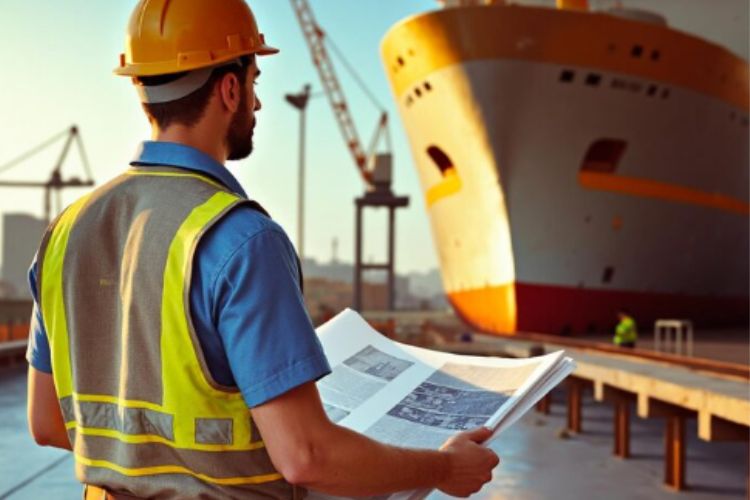
Ever wondered what really happens when a ship is “inspected” before it sails across oceans? Behind every safe voyage is a quiet, highly disciplined process led by ship inspection companies. These experts don’t just glance at a vessel they deeply examine its structure, systems, and compliance readiness, often under tight schedules and unpredictable maritime conditions.
Why Vessel Surveys Matter More Than Ever?
Modern shipping is the backbone of global trade, with studies from the UNCTAD estimating that nearly 80% of global merchandise moves by sea. That’s an enormous responsibility resting on steel hulls and human judgment. Vessel surveys ensure that ships are not only seaworthy but also aligned with international safety and environmental expectations.
Without consistent inspections, risks like oil leaks, equipment failure, or structural fatigue could escalate quickly. Regulatory bodies such as the International Maritime Organization (IMO) continuously update safety frameworks, pushing the industry toward stricter compliance and smarter inspection techniques.
The Step-by-Step Vessel Inspection Process
A typical vessel survey is not a single event but a carefully staged process. Inspectors often arrive onboard with a checklist tailored to the vessel type cargo ship, tanker, or passenger ferry and begin what feels like a maritime “health check.”
1. Preliminary Documentation Review
Before setting foot on deck, surveyors review certification records, maintenance logs, and classification documents. This helps them understand the ship’s history, much like a doctor reviewing a patient’s medical file before a diagnosis.
2. Onboard Physical Inspection
This is where things get hands-on. Inspectors examine hull integrity, ballast systems, engine rooms, and safety equipment. Even minor issues like corrosion spots or faulty valves are documented. These findings determine whether the vessel meets class standards or requires corrective action.
3. Operational Testing
Critical systems navigation, propulsion, and emergency response tools are tested under simulated or real operating conditions. It’s not uncommon for inspectors to request emergency drills to evaluate crew readiness and equipment response time.
- Hull and structural checks: Look for cracks, corrosion, and fatigue stress points.
- Safety equipment audits: Lifeboats, fire suppression systems, and alarms are tested rigorously.
- Engine performance evaluation: Ensures fuel efficiency and operational reliability under load conditions.
Where Technology Is Changing Ship Inspections?
In recent years, the maritime industry has quietly embraced digital transformation. Drones now inspect hard-to-reach ship sections, while AI-based diagnostic tools help predict maintenance issues before they become serious. This evolution is reshaping traditional workflows, making inspections faster and more precise.
Midway through an inspection cycle, many operators now rely on ship inspection services to integrate digital reporting tools, real-time data capture, and remote compliance monitoring. This reduces human error and helps shipowners respond to issues almost instantly, rather than waiting for manual reports.
Interestingly, the International Association of Classification Societies (IACS) has reported that standardized digital inspections can reduce survey delays by improving data accuracy and communication between stakeholders.
Key Innovations Shaping Modern Surveys
- Drone-based hull inspections: Reduce diver dependency and improve safety in deep-water checks.
- Predictive maintenance systems: Use sensor data to forecast mechanical failures before they occur.
- Digital twins: Virtual models of ships that simulate wear and performance over time.
The Human Expertise Behind Every Report
Despite all the technology, human judgment still anchors the inspection process. Experienced marine surveyors often rely on intuition developed over decades at sea. A small vibration in an engine or an unusual rust pattern might tell them more than any digital report.
This balance between technology and experience is what keeps vessel surveys reliable. After all, no algorithm can fully replace the trained eye of someone who has spent years understanding how ships behave under stress.
Frequently Asked Questions
Q1: How often are vessel surveys conducted?
Most commercial ships undergo annual inspections, with additional checks every few years depending on classification rules and vessel type.
Q2: What happens if a ship fails inspection?
The vessel may be detained, required to make repairs, or restricted from sailing until compliance standards are met.
Q3: Are inspections the same for all types of ships?
No. Tankers, cargo ships, and passenger vessels follow different inspection criteria based on risk level and operational complexity.
Q4: Do digital tools replace human inspectors?
Not entirely. Technology supports inspections, but certified surveyors still make final judgments based on physical and operational evidence.
Final Thoughts
Ship inspections may seem routine from the outside, but they are anything but simple. They are a blend of regulation, engineering insight, and evolving technology working together to keep global trade safe. As maritime systems continue to modernize, vessel surveys will likely become even more precise but the human expertise behind them will remain irreplaceable.