

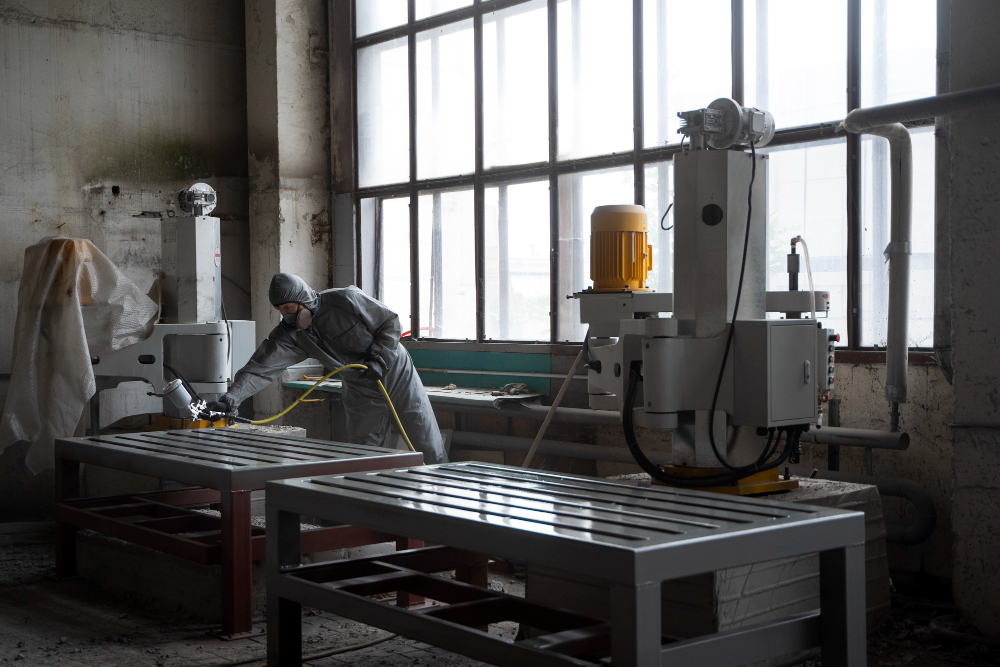
In fast-growing industrial sectors across Saudi Arabia, safety is no longer viewed as a compliance checkbox—it is a core business priority. Whether in construction, oil and gas, logistics, or manufacturing, modern machinery is expected to do more than improve productivity. It must actively protect workers, reduce operational risks, and support long-term efficiency.
Organizations investing in wholesale industrial equipment are increasingly evaluating safety features before considering performance specifications. After all, a machine that delivers speed but compromises worker safety can quickly become a costly liability.
Why Safety Features Matter More Than Ever?
Saudi Arabia’s industrial landscape is evolving rapidly, driven by large-scale infrastructure projects and Vision 2030 initiatives. As workplaces become more advanced, the demand for safer equipment grows alongside them. Modern industrial equipment is now designed to prevent accidents before they happen rather than simply reacting to emergencies.
According to the Occupational Safety and Health Administration (OSHA), workplace incidents continue to result in significant financial and operational losses worldwide. Many of these incidents are preventable through proper safety systems, training, and equipment design.
Essential Safety Features to Prioritize
1. Emergency Stop Systems
An emergency stop button may seem basic, but it remains one of the most critical safety components. Modern emergency stop systems are strategically positioned and designed for immediate access, allowing operators to halt equipment within seconds during unexpected situations.
In high-risk environments such as manufacturing facilities and processing plants, every second matters. Quick shutdown capabilities can significantly reduce injury risks and equipment damage.
2. Advanced Sensor Technology
Today’s industrial machines often include intelligent sensors that detect abnormal conditions before they escalate. These sensors monitor factors such as:
- Excessive vibration
- Overheating components
- Pressure irregularities
- Unauthorized access to hazardous zones
Think of these systems as an early-warning network. Instead of waiting for a breakdown, operators receive alerts that allow preventive action.
3. Machine Guarding and Protective Barriers
Physical barriers remain one of the simplest yet most effective safety solutions. Modern guarding systems are designed to prevent accidental contact with moving parts while maintaining accessibility for maintenance and inspections.
The best systems strike a balance between protection and operational efficiency without creating unnecessary workflow obstacles.
Smart Safety Features Transforming Industrial Sites
The rise of automation has introduced a new generation of safety innovations. Many businesses seeking industrial equipment solutions in Saudi Arabia are specifically looking for equipment that combines digital intelligence with physical protection.
4. Automatic Shutdown Mechanisms
Modern equipment can automatically stop operations when dangerous conditions are detected. For example, if temperature levels exceed safe operating thresholds or a critical component fails, the machine can shut down without human intervention.
This proactive approach reduces the likelihood of catastrophic failures and costly downtime.
5. Real-Time Monitoring Systems
Connected equipment now provides live performance data to operators and supervisors. Through dashboards and mobile applications, teams can monitor equipment health, maintenance schedules, and safety alerts from virtually anywhere.
According to research from the National Institute of Standards and Technology (NIST), predictive maintenance and monitoring technologies can significantly reduce unexpected equipment failures and improve operational reliability.
6. Spill and Hazard Containment Features
Industries handling chemicals, fuels, and lubricants face unique safety challenges. Equipment that incorporates containment systems helps minimize environmental and workplace hazards.
For facilities dealing with liquid spills, resources such as Oil and Chemical Absorbents: Complete Solution in Hazardous Spill Control can play a valuable role in strengthening overall workplace safety strategies.
Features That Support Worker Confidence
Interestingly, the most effective safety features are often the ones workers notice every day. These practical enhancements improve both protection and productivity:
- Clear visual warning indicators
- Audible alarm systems
- Ergonomic control panels
- Anti-slip platforms and surfaces
- Lockout/tagout compatibility
When employees feel safe operating machinery, they tend to work more efficiently and make fewer errors.
How to Evaluate Equipment Before Purchase?
Before investing in new machinery, decision-makers should consider the following checklist:
- Verify compliance with international safety standards.
- Assess emergency response features.
- Review monitoring and diagnostic capabilities.
- Evaluate maintenance accessibility.
- Consider future technology integration options.
This approach helps ensure that equipment remains safe and relevant for years rather than becoming outdated shortly after installation.
Frequently Asked Questions
1. What is the most important safety feature in industrial equipment?
Emergency stop systems are among the most essential features because they allow operators to quickly halt equipment during dangerous situations.
2. Why are sensors important in modern industrial machinery?
Sensors help identify potential issues such as overheating, excessive vibration, or pressure abnormalities before they develop into serious safety hazards.
3. How does real-time monitoring improve workplace safety?
Real-time monitoring provides immediate visibility into equipment performance, enabling faster responses to potential risks and maintenance requirements.
4. Should Saudi businesses prioritize smart safety technologies?
Yes. Smart technologies can reduce downtime, improve operational efficiency, and enhance worker protection, making them a valuable investment for modern industrial operations.
Final Thoughts
Modern industrial equipment is no longer judged solely by output capacity or operational speed. The strongest investments are those that combine productivity with advanced safety protection. For businesses across Saudi Arabia, choosing equipment equipped with intelligent monitoring, emergency systems, protective barriers, and hazard-control features creates safer workplaces while supporting long-term operational success.
Full Audio: Listen Here