
Families often wonder what truly makes in-home support feel safe, reliable, and comforting for aging loved ones. In many cases, the answer lies not just in services but in the people delivering them. Professional training, empathy, and consistency can completely reshape the experience of aging at home, especially in growing communities like Sunnyvale.
When we talk about elderly home care Sunnyvale, it’s not just about assistance with daily tasks it’s about creating a lifestyle where seniors feel respected, secure, and genuinely supported in their own homes.
The Role of Trained Caregivers in Modern Elder Care
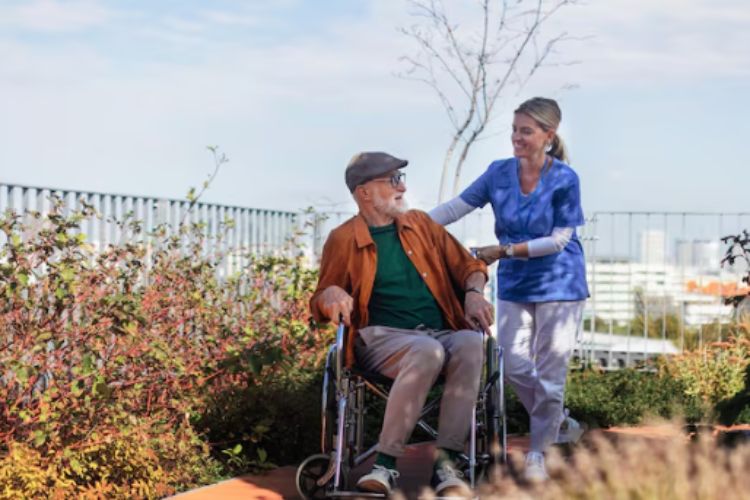
A trained caregiver is much more than a helping hand. They are observers, companions, and often the first line of support when something feels “off” with a senior’s health or mood. Studies from the Centers for Disease Control and Prevention show that nearly 1 in 4 adults aged 65+ experience a fall each year, which highlights how essential supervision and preventive care can be.
In practical terms, trained caregivers bring structure into daily routines something that becomes increasingly important with age. From medication reminders to mobility support, their presence helps reduce risks that families may not always be able to manage consistently.
Why Training Makes a Noticeable Difference?
- Early risk detection: Recognizing subtle changes in behavior, appetite, or mobility.
- Safe mobility assistance: Reducing fall risks during movement or transfers.
- Health monitoring awareness: Identifying warning signs before they escalate.
These skills may sound simple, but in real-life home settings, they often prevent emergencies before they happen. That’s the quiet power of professional caregiving.
How Caregivers Improve Daily Life in Sunnyvale Homes?
Daily life for seniors is not just about survival it’s about comfort, dignity, and connection. Trained caregivers introduce consistency into routines that might otherwise become fragmented due to age-related limitations.
As part of quality home care services Sunnyvale, caregivers help seniors maintain independence while gently stepping in where needed. It’s a balance that requires both skill and emotional intelligence.
- Personal care support: Bathing, grooming, and hygiene assistance done respectfully.
- Meal preparation: Ensuring nutrition aligns with dietary restrictions and preferences.
- Companionship: Reducing loneliness, which research from AARP links to higher risks of cognitive decline.
Sometimes, it’s the small things like remembering how someone likes their tea or listening to a repeated story that build trust. And trust, in elder care, is everything.
Emotional and Cognitive Benefits of Skilled Caregiving
Beyond physical support, caregivers play a surprising role in emotional and cognitive wellness. Seniors who receive regular companionship often show improved mood stability and engagement levels.
According to the World Health Organization, social isolation can significantly increase health risks among older adults. This is where trained caregivers step in not just as assistants, but as meaningful human connection.
Key Emotional Advantages
- Reduced feelings of loneliness and isolation
- Improved daily mental stimulation through conversation and activities
- Greater sense of safety and emotional reassurance
In many Sunnyvale homes, caregivers often become familiar faces that seniors look forward to seeing each day, which subtly improves emotional stability over time.
Building Trust Through Consistent Care Practices
Consistency is often underestimated. When caregivers follow predictable routines and maintain open communication with families, it creates a sense of stability that seniors deeply rely on.
Strong caregiver programs also focus on ongoing skill development. This includes training in dementia awareness, emergency response, and safe transfer techniques areas that significantly improve care outcomes.
What Strong Caregiver Programs Usually Include?
- Continuous safety and first-aid training updates
- Communication training for family coordination
- Specialized support for memory-related conditions
This structured approach ensures that caregiving does not remain static but evolves with the needs of each senior.
Why Families in Sunnyvale Prefer Trained Caregivers?
For many families, the decision eventually comes down to trust. Knowing that a trained professional is present in the home brings a sense of relief that is hard to quantify.
Whether it’s managing unpredictable health needs or simply offering companionship, caregivers bridge the gap between independence and safety. And in a fast-paced region like Sunnyvale, that balance is especially valuable.
FAQs
Q1: What qualifications do trained caregivers usually have?
Most caregivers undergo formal training in elder care, safety protocols, and basic health monitoring. Some may also have certifications in dementia or mobility support.
Q2: How do caregivers support seniors emotionally?
They provide companionship, engage in conversations, and help reduce isolation through consistent daily interaction and emotional presence.
Q3: Are caregivers only for medical assistance?
No, many caregivers focus on non-medical support like daily living assistance, companionship, and household help.
Q4: Can trained caregivers help prevent emergencies?
Yes, their ability to notice early warning signs and assist with mobility or medication routines can significantly reduce risks.
Final Thoughts
Trained caregivers bring more than support they bring structure, reassurance, and human connection into elderly care. In Sunnyvale homes, their role continues to grow as families look for safer, more personalized ways to support aging loved ones. When skill meets compassion, home truly becomes the best place to age.