

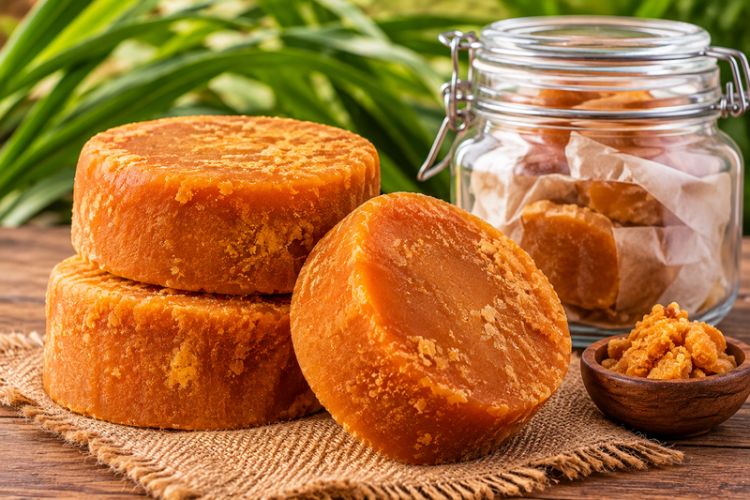
Why Is Proper Storage Important for Patali Gur?
Patali Gur contains natural sugars and varying amounts of moisture depending on its preparation and processing. Its texture and consistency can change when exposed to environmental conditions, particularly humidity and heat.
Moisture absorption is one of the major reasons behind jaggery deterioration. Research published in the Government of India’s NIFTEM jaggery processing manual explains that moisture can affect the structure, texture and quality of jaggery while increasing the possibility of microbial contamination.
Proper storage helps:
- Maintain its characteristic sweetness and aroma.
- Prevent unnecessary moisture absorption.
- Preserve its natural texture and consistency.
- Reduce contamination from external sources.
- Maintain product quality throughout its recommended storage period.
7 Practical Tips for Storing Patali Gur
1. Choose an Airtight Container
One of the simplest ways to preserve Patali Gur is to store it in a clean, airtight container. Exposure to surrounding air can introduce moisture and affect its consistency, especially in humid environments.
Glass jars, food-grade airtight plastic containers and suitable sealed storage boxes can work well. Ensure the container is completely dry before transferring the jaggery. Close the lid properly after every use.
2. Keep It Away from Direct Sunlight
Heat can soften Patali Gur and change its original consistency. Keeping it near windows, kitchen stoves or other heat-producing appliances may affect its quality.
Choose a cool storage location away from direct sunlight. A kitchen cabinet or pantry shelf can be suitable if the area remains dry and temperature-stable.
3. Refrigerate It for Longer Storage
Refrigeration can help maintain the consistency of Patali Gur, particularly during warmer months. It is especially useful for products that naturally have a softer texture or contain more moisture.
Before refrigerating, place the jaggery in an airtight, food-safe container. This helps prevent moisture exposure and the absorption of unwanted refrigerator odours.
Always follow the manufacturer’s storage recommendations because the ideal storage method can vary according to the product’s moisture content and preparation.
4. Always Use a Clean and Dry Spoon
Using wet or unclean utensils can introduce moisture and contaminants into stored jaggery. Even a small amount of water can affect its consistency over time.
Use a clean, completely dry knife or spoon whenever you need a portion. Avoid touching the product with wet hands, and return the remaining jaggery to its container immediately.
5. Avoid Frequent Temperature Changes
Repeatedly moving Patali Gur between warm and cold environments can encourage condensation inside its packaging. This unwanted moisture may affect its texture and storage quality.
If you refrigerate your jaggery, keep it refrigerated consistently. Take out only the quantity needed for immediate use and avoid leaving the entire container exposed to room temperature for extended periods.
6. Keep It Away from Strong-Smelling Foods
Patali Gur has a distinctive natural aroma that contributes to its appeal. However, improperly sealed jaggery may absorb surrounding odours from strongly flavoured foods stored nearby.
Keep it in a separate airtight container, particularly when storing it in the refrigerator. This helps preserve its characteristic fragrance and taste.
7. Check Its Condition Regularly
Inspect stored Patali Gur occasionally to ensure that it remains suitable for consumption. Look for unusual mould growth, unexpected discoloration, unpleasant odours or signs of contamination.
Natural changes in hardness, softness or stickiness do not automatically indicate spoilage. However, visible mould or an unusual fermented smell should not be ignored. Discard the product if you suspect contamination rather than attempting to remove the affected portion.
Common Storage Mistakes to Avoid
Even good-quality Patali Gur can lose its desirable characteristics when handled incorrectly. Avoid these common mistakes:
- Leaving packaging open: Uncovered jaggery can absorb moisture and surrounding odours.
- Using wet containers: Water droplets encourage unwanted moisture exposure.
- Storing near heat: Warm conditions can soften the jaggery and affect its consistency.
- Ignoring packaging instructions: Different varieties may require different storage conditions.
- Keeping contaminated utensils inside: This can introduce unwanted substances into the product.
How Long Can Patali Gur Stay Fresh?
The shelf life of Patali Gur depends on its preparation, moisture content, packaging and storage environment. There is no single storage duration that applies to every variety.
For example, Joynagar Moa Hub mentions a six-month shelf life for its Patali Gur when stored in a cool, dry place, while another retailer lists a shorter shelf-life period for its product. These differences demonstrate why buyers should always check the manufacturer’s label and best-before date.
For better storage results, keep the original packaging information and follow the recommended instructions. Refrigeration may help preserve certain varieties, but it does not replace proper handling or guarantee freshness indefinitely.
Where to Find Quality Patali Gur?
Good storage begins with selecting a properly packaged product from a reliable source. Look for clear product information, suitable packaging, ingredient details and storage instructions before purchasing.
If you are searching for organic jaggery near me, explore the date palm jaggery collection at Joynagar. You can discover traditional Bengali jaggery products and bring their distinctive sweetness into your kitchen.
Whether you use Patali Gur for payesh, pithe, homemade sweets or everyday recipes, proper storage helps you enjoy its characteristic flavour and texture.
Frequently Asked Questions (FAQs)
1. Should Patali Gur be stored in the refrigerator?
Refrigeration is recommended for many varieties, particularly during warmer weather or longer storage. Keep it in an airtight container and follow the product label.
2. Can Patali Gur be stored at room temperature?
Yes. It can be stored in a cool, dry location if the manufacturer’s instructions permit it. Protect it from direct sunlight, heat and moisture.
3. Why does Patali Gur become sticky?
Patali Gur may become sticky because of moisture absorption, temperature changes or its naturally soft consistency. Unusual odours or mould growth require caution.
4. What is the best container for storing Patali Gur?
A clean, dry, airtight glass or food-grade container is a suitable option. It helps protect the jaggery from moisture, air and external odours.
5. How can I identify spoiled Patali Gur?
Look for visible mould, unusual discoloration, unpleasant smells or signs of contamination. Discard the product if it shows these warning signs.
6. Can Patali Gur lose its flavour over time?
Yes. Improper storage, excessive moisture, heat and exposure to air can gradually affect its characteristic aroma, taste and texture.
Final Thoughts
Patali Gur is a treasured part of Bengali food traditions, and maintaining its freshness requires only a few simple precautions. Using airtight containers, avoiding moisture, controlling heat exposure and following suitable refrigeration practices can help preserve its characteristic sweetness and aroma. Always check the product’s storage instructions and best-before date for the most reliable guidance. With careful handling and quality product selection, you can continue enjoying the traditional flavour of Patali Gur in your favourite homemade delicacies.
Explore Joynagar’s date palm jaggery collection to discover traditional Bengali sweetness for your home.