

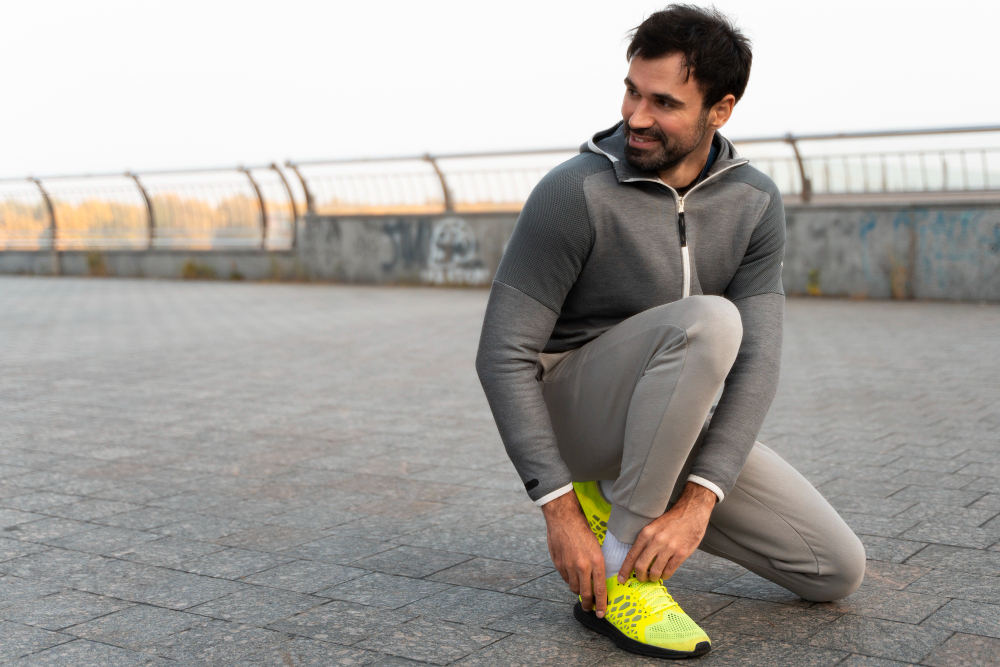
A new pair of shoes can look perfect in the mirror and still make your feet miserable by evening. From tight toes to sore heels, unfamiliar footwear can create pressure and friction in places you never noticed before. If your feet hurt after wearing new shoes, the problem may be the fit, support, design—or an underlying foot issue.
For persistent or recurring discomfort, consulting a podiatrist in Kolkata can help identify whether your footwear is simply unsuitable or whether something else is contributing to the pain.
Why Do New Shoes Make Your Feet Hurt?
The most common reason is surprisingly simple: your feet and the shoes are not working well together. A shoe may be your usual size but still be too narrow, too shallow, too stiff, or poorly shaped for your particular foot.
Think of it like putting a perfectly good suitcase into an oddly shaped compartment. The suitcase is not necessarily wrong, but the space does not suit it.
The American Academy of Orthopaedic Surgeons notes that tight footwear can contribute to problems such as corns, bunions, hammer toes and ingrown toenails. It also advises choosing shoes that provide enough room for the toes rather than expecting your feet to adapt to an uncomfortable shoe. AAOS footwear guidance.
Common Reasons Your Feet Hurt After New Shoes
1. The Shoe Is Too Tight
A narrow toe box can squeeze your toes together and increase pressure around the forefoot. You may notice soreness around the big toe, little toe or the ball of the foot, especially after several hours of walking.
2. Your Heel Is Rubbing
Stiff heel counters and unfamiliar shoe materials can repeatedly rub against the back of your heel. That friction may cause redness, tenderness, hot spots or blisters.
3. The Shoe Does Not Provide Enough Support
A fashionable flat shoe or very flexible sneaker may feel comfortable for ten minutes but become tiring after a long commute. If your feet are working harder to maintain stability, you may develop arch, heel or general foot fatigue.
4. You Wore Them for Too Long, Too Soon
Even a reasonably well-fitting pair can feel uncomfortable when worn for an entire day immediately after purchase. Your feet may need some time to adjust to a different sole, heel height or cushioning pattern.
- Sharp rubbing: often points toward friction or a pressure point.
- Burning or tingling: may suggest nerve irritation and deserves attention if persistent.
- Heel or arch soreness: can be associated with inadequate support or an underlying condition.
How Can You Prevent New-Shoe Foot Pain?
There is no prize for surviving an uncomfortable pair of shoes. A better approach is to make footwear fit your feet instead of forcing your feet to tolerate the footwear.
- Try shoes on later in the day. Feet can become slightly swollen after normal daily activity, so this gives you a more realistic sense of fit.
- Check both length and width. Do not judge a shoe by size number alone. Different brands and designs can fit very differently.
- Walk before buying. Spend a few minutes moving around and notice whether your toes are cramped or your heel slips excessively.
- Look for adequate toe room. Your toes should not feel compressed or pushed over one another.
AAOS specifically advises against buying shoes that feel uncomfortable with the expectation that they will eventually “break in.” An unsuitable shoe can continue placing pressure on the foot and may contribute to injury. Read the AAOS shoe-fitting recommendations.
When Should You See a Doctor for Foot Pain?
Mild soreness that disappears after removing the shoes may simply be a footwear problem. But persistent pain is another matter. If your foot continues hurting even when you are barefoot, repeatedly develops blisters or swelling, or you experience numbness, burning or difficulty walking, it is worth getting evaluated.
A doctor for foot problems can assess the location and pattern of the pain and determine whether footwear is the real culprit or whether conditions such as plantar fasciitis, bunions, corns or other problems are involved.
This matters particularly for people with diabetes, because reduced sensation can make it harder to notice pressure injuries or sores. The AAOS recommends regular foot checks for people with diabetes and prompt attention to areas of redness, blisters or wounds. AAOS information on tight shoes and diabetic feet.
FAQs About Foot Pain From New Shoes
1. Is it normal for feet to hurt when wearing new shoes?
Some mild discomfort can occur when switching to unfamiliar footwear, but significant or persistent pain should not be considered normal. A shoe should feel reasonably comfortable from the beginning.
2. How can I stop new shoes from causing blisters?
Make sure the shoe fits correctly, avoid wearing a new pair for an entire day initially, and protect areas that tend to rub. If the same spot repeatedly develops a blister, reconsider the shoe’s fit or construction.
3. Can wrong shoes cause heel pain?
Yes. Shoes with inadequate cushioning, poor support or an unsuitable fit may contribute to heel discomfort. Persistent heel pain can also have other causes, so recurring symptoms should be assessed rather than blamed entirely on footwear.
4. Should I keep wearing shoes that hurt because they need breaking in?
Not if the shoes are causing significant pain. The American Academy of Orthopaedic Surgeons advises against relying on a break-in period for shoes that do not fit properly.
Final Thoughts
Your feet spend hours carrying you through Kolkata’s busy streets, commutes and everyday routines, so comfortable footwear is more than a style choice. If new shoes leave you aching, pay attention to what your feet are telling you. A better fit may solve the problem—but persistent pain deserves a closer look.