

Softness in textiles isn’t accidental—it’s engineered. From the way a fabric drapes on your skin to how it breathes in humid weather, everything begins at the yarn level. Over the years, viscose yarn has quietly become the backbone of soft, breathable, and luxurious fabrics across fashion and home textiles. But choosing the best manufacturer? That’s where things get interesting.
If you’ve ever wondered what separates an average supplier from a truly reliable viscose yarn manufacturer, you’re not alone. Designers, sourcing heads, and even startup brands ask this question daily—and the answer goes far beyond pricing.
Also Read: A Comprehensive Guide to Choosing the Right Fabric for Your Clothing
What Makes Viscose Yarn So Loved?
Viscose yarn sits comfortably between natural and synthetic fibers. Made from regenerated cellulose, it offers a cotton-like softness with a silk-inspired sheen. According to data published by Textile Exchange, regenerated cellulosic fibers continue to see steady global demand due to their comfort and versatility.
In simple terms, viscose feels good, performs well, and adapts easily to modern textile needs—from everyday wear to premium blends.
Key Qualities That Matter Most
- Soft hand feel: Ideal for garments worn close to the skin.
- Breathability: Performs well in warm and humid climates.
- Dye affinity: Produces rich, long-lasting colors.
How to Identify the Best Viscose Yarn Manufacturer
Not all manufacturers are built the same. Some focus on volume, others on quality—and the best ones manage to balance both. From my experience working with sourcing teams, the top manufacturers usually share a few non-negotiables.
What Industry Experts Look For
- Consistent yarn quality: Evenness, strength, and low hairiness.
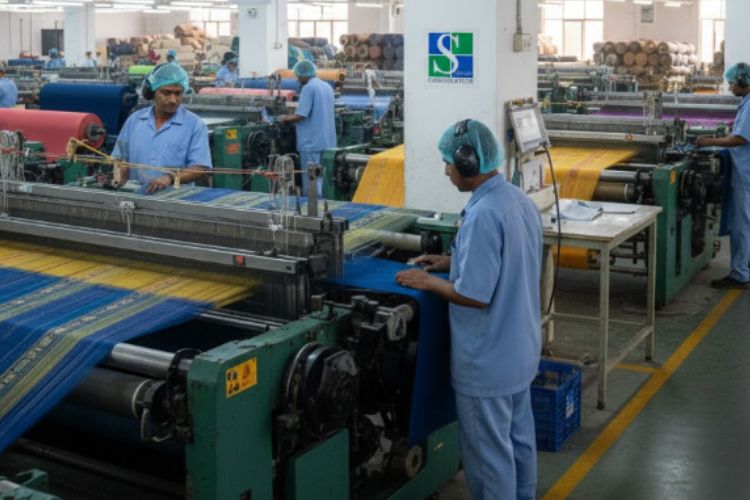
- Modern production setup: Updated spinning and testing facilities.
- Responsible sourcing: Compliance with environmental and labor standards.
Organizations like the U.S. Environmental Protection Agency and global textile bodies increasingly emphasize cleaner production practices. Forward-thinking viscose yarn suppliers are aligning with these expectations, not resisting them.
Why India Has Become a Global Yarn Hub
India’s textile ecosystem is vast, interconnected, and surprisingly agile. Yarn manufacturers here benefit from skilled labor, established supply chains, and deep technical know-how passed down over generations. That’s one reason many international buyers prefer working with fabric manufacturers in india who also maintain close ties with yarn producers.
The result? Faster sampling, better customization, and smoother scale-ups when demand spikes.
Advantages Buyers Often Notice
- Flexible minimum order quantities for growing brands
- Wide range of deniers and blends
- Competitive pricing without cutting corners
Beyond Yarn: Thinking Long-Term
Choosing a viscose yarn supplier isn’t just about the next order—it’s about the next five years. The best manufacturers act like partners, not vendors. They share technical insights, flag potential issues early, and adapt yarn specs as trends evolve.
As sustainability conversations grow louder, manufacturers investing in traceability and cleaner inputs will naturally stand out. A recent overview from The World Bank highlights how responsible textile practices are becoming a competitive advantage, not a cost burden.
Frequently Asked Questions
Is viscose yarn suitable for sensitive skin?
Yes. High-quality viscose yarn is smooth, breathable, and generally gentle on sensitive skin when processed correctly.
How does viscose compare to cotton yarn?
Viscose is typically softer with better drape, while cotton offers higher durability. Many manufacturers blend both for balanced performance.
Can viscose yarn be used in sustainable textiles?
Absolutely. When sourced responsibly and produced with cleaner processes, viscose can be part of sustainable textile solutions.
What industries commonly use viscose yarn?
Fashion apparel, home furnishings, blended knits, and even certain technical textiles rely on viscose yarn.
Also Read: India Rising Leaders in Sustainable Recycled Yarn
Final Thoughts
Soft textiles don’t happen by chance—they start with smart yarn choices. Partnering with the right viscose yarn manufacturer can elevate fabric quality, brand reputation, and long-term reliability. In a competitive market, that edge matters more than ever.
Blog development Credits:
This article was ideated and structured by Square Corporation, crafted using modern AI research tools, and refined with strategic SEO insights by the Square Corporation team.