

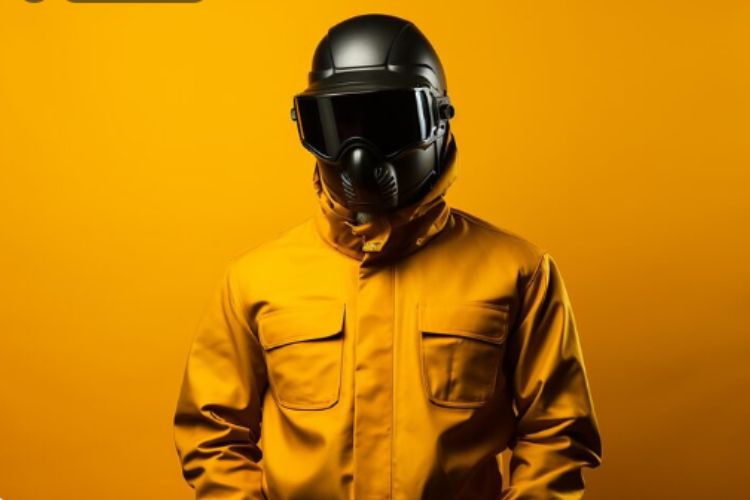
In welding environments, protection isn’t optional it’s the baseline for survival. Sparks, molten metal, and extreme heat demand proper gear, and selecting the right welding jacket can feel more complicated than it should be. Most workers eventually find themselves choosing between two popular options: leather and flame-resistant fabric. Each has its own personality, strengths, and trade-offs.
The surprising part? There isn’t a single “best” choice. Instead, the right pick depends on the job type, working conditions, and even personal comfort preferences.
Why Material Choice Matters in Welding Safety?
Welding creates an unpredictable mix of heat and flying debris. According to the U.S. Occupational Safety and Health Administration (OSHA), thermal burns remain one of the most common injuries in fabrication environments. That alone explains why protective clothing is treated as essential gear rather than optional wear.
The material of your jacket determines how well it resists sparks, how it handles heat buildup, and how comfortable you feel during long shifts.
Key factors workers usually care about:
- Heat and spark resistance
- Breathability during long shifts
- Durability in rough environments
Leather Welding Jackets: The Traditional Heavy-Duty Shield
Leather has been the go-to material in welding shops for decades. It’s thick, naturally flame-resistant, and offers excellent protection against flying sparks. In many ways, it feels like wearing armor.
However, this protection comes at a cost comfort. Leather can feel heavy, especially in hot climates or during long working hours. In extreme environments, it may trap heat, making workers feel fatigued more quickly.
Strengths of leather jackets:
- High resistance to sparks and molten metal
- Excellent durability in rugged conditions
- Long lifespan with proper care
Limitations:
- Less breathable in hot environments
- Heavier compared to fabric alternatives
- Can become stiff over time
Flame-Resistant Fabric Jackets: Modern Comfort Meets Safety
Flame-resistant (FR) fabric jackets are a more modern solution designed with comfort in mind. Unlike traditional materials, they are engineered to self-extinguish when exposed to flame rather than ignite.
In multi-layer safety systems such as coveralls, FR fabrics are often preferred because they allow better airflow while still maintaining protective performance.
Advantages of FR fabric jackets:
- Lightweight and breathable design
- Comfortable for long working hours
- Modern fit and flexible movement
Challenges:
- May wear out faster than leather in harsh conditions
- Less resistant to direct molten splatter
- Requires proper maintenance to retain flame resistance
Real-World Comparison: What Workers Actually Experience?
In real welding workshops, the choice often comes down to environment. Outdoor pipeline welders in harsh conditions tend to prefer leather. Meanwhile, indoor fabrication workers lean toward FR fabrics due to comfort and airflow.
A safety engineer from a fabrication plant once described it simply: “Leather protects like a shield, but fabric feels like workwear you can actually live in all day.”
To better understand workplace safety layers, many experts also refer to How do Industrial Safety Elements Protect Workers from Fire?, which explains how clothing systems interact with heat and fire exposure.
Choosing the Right Welding Jacket: Practical Tips
Selecting the right material isn’t just about preference—it’s about matching the jacket to the job conditions.
Simple decision guide:
- Heavy-duty outdoor welding: Leather is often more reliable
- Indoor fabrication work: Flame-resistant fabric offers better comfort
- Long shifts in hot climates: Lightweight FR fabric reduces fatigue
Think of it like choosing between hiking boots and running shoes both protect your feet, but for different terrains and workloads.
Safety Always Comes First
Regardless of material, proper fit, maintenance, and layering are just as important as the jacket itself. A well-maintained FR jacket can outperform a neglected leather one, and vice versa. Safety gear works best when treated as part of a complete protection system rather than a standalone item.
FAQ – Welding Jacket Materials
1. Which is safer: leather or flame-resistant fabric?
Both are safe when used correctly. Leather offers stronger spark resistance, while FR fabric provides better comfort and mobility.
2. Can flame-resistant fabric catch fire?
It is designed to resist ignition and self-extinguish when the flame source is removed, but it still requires proper care and maintenance.
3. Why do welders still use leather jackets?
Leather remains popular for heavy-duty welding due to its durability and strong protection against molten metal splatter.
4. How long does a welding jacket last?
It depends on usage and maintenance. Leather often lasts longer in harsh environments, while FR fabric needs more frequent replacement in heavy-duty work.
Final Thoughts
There is no universal winner between leather and flame-resistant fabric. Each serves a different working style, environment, and level of exposure. The smartest choice is the one that balances protection, comfort, and practicality for your specific job. In welding, the right gear doesn’t just support performance it quietly protects every moment you spend on the job.