

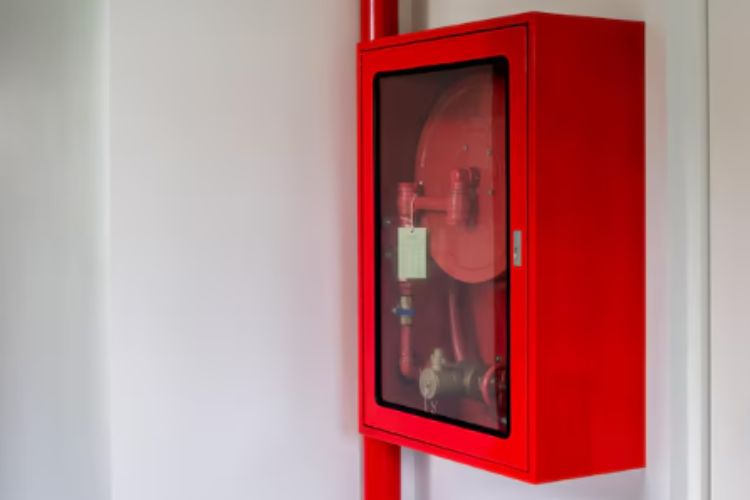
In a busy commercial or industrial facility, fire safety often comes down to small decisions made every day. Where are flammable liquids stored? Can employees access them safely? Is the storage area properly maintained? A correctly selected and maintained flammable safety cabinet can play an important role in creating a safer workplace.
Why Fire Cabinet Safety Matters?
Flammable liquids can create serious fire risks when they are stored improperly or exposed to ignition sources. A fire cabinet is more than a storage unit; it is one part of a broader flammable liquid storage and workplace safety strategy.
In the United States, OSHA establishes requirements for the storage and handling of flammable and combustible liquids in general industry. For example, OSHA’s requirements address cabinet construction, storage quantities, labeling, and the control of ignition sources. Businesses should always review the regulations applicable to their location, facility, and materials before selecting or installing a cabinet.
For commercial and industrial facilities, good fire cabinet practices can help keep hazardous materials organized while supporting safer handling and emergency preparedness.
6 Fire Cabinet Safety Tips for Commercial and Industrial Facilities
1. Choose the Right Fire Cabinet
The first step is selecting a cabinet based on the materials you need to store rather than simply choosing a convenient size or design. Identify the liquids, their classifications, quantities, and intended use before making a decision.
A suitable cabinet should be durable, clearly identified, and appropriate for the hazards involved. Always check the manufacturer’s specifications and the safety regulations that apply to your facility.
2. Keep Ignition Sources Away
Even a properly designed cabinet cannot eliminate every workplace fire risk. Keep storage areas away from open flames, sparks, hot surfaces, and other potential ignition sources. Smoking should also be prohibited wherever flammable liquids are stored or handled.
- Keep potential ignition sources away from storage areas.
- Control nearby heating and electrical equipment appropriately.
- Maintain good housekeeping around the cabinet.
- Follow workplace procedures for handling flammable materials.
OSHA specifically addresses ignition sources and smoking in areas where flammable liquids are stored or handled. Following these requirements is an important part of overall fire prevention.
3. Avoid Overloading the Cabinet
More storage capacity does not always mean better storage. Overloading a cabinet can make containers difficult to inspect, identify, and remove safely. It may also encourage poor organization.
Stay within the cabinet’s manufacturer-rated capacity and any applicable regulatory limits. Containers should be arranged so workers can identify and handle them without unnecessarily disturbing other materials.
A little organization can go a long way. In a busy workshop, being able to locate the right container quickly is much better than searching through an overcrowded cabinet.
4. Organize and Check Containers Carefully
Containers should be kept closed when they are not in use and positioned securely inside the cabinet. Labels should remain visible so employees can quickly identify the contents and associated hazards.
- Check containers for leaks, corrosion, swelling, or visible damage.
- Keep materials organized according to their storage and compatibility requirements.
- Remove unnecessary materials through the facility’s approved disposal process.
- Do not place damaged or leaking containers back into ordinary storage.
For a deeper look at the consequences of poor storage practices, read The Hidden Costs of Improper Flammable Liquid Storage in Industrial Facilities.
5. Inspect the Cabinet Regularly
A fire cabinet needs regular attention just like other workplace safety equipment. Include it in routine facility inspections instead of waiting until a problem becomes obvious.
Check the doors, hinges, shelves, locks, labels, and cabinet body. Look for corrosion, physical damage, spills, or anything that could prevent the cabinet from operating as intended.
The area around the cabinet should also remain clean and accessible. Do not allow boxes, tools, waste, or other equipment to block access.
6. Train Employees on Proper Use
Even the best flammable storage cabinet cannot replace proper employee training. Workers who handle flammable liquids should understand the hazards involved and know the correct storage and emergency procedures.
Effective workplace training should cover:
- Proper storage and handling procedures.
- Hazard labels and safety information.
- Spill and emergency reporting procedures.
- Appropriate personal protective equipment.
- What to do when a container is damaged or leaking.
Fire Cabinet Safety Goes Beyond Storage
A fire cabinet should be viewed as one component of a complete workplace safety program. Good housekeeping, suitable ventilation, spill control, employee training, emergency planning, and appropriate fire protection measures all work together to reduce workplace risks.
Companies looking for industrial equipment solutions in Saudi Arabia should consider the entire storage environment instead of choosing equipment in isolation. The right solution depends on the facility, materials being stored, quantities, workflow, and applicable safety requirements.
Frequently Asked Questions
1. What should be stored in a fire cabinet?
Fire cabinets designed for flammable liquids should be used for materials permitted by the cabinet’s specifications and applicable safety regulations. Always identify the classification and storage requirements of each material before placing it inside.
2. How often should a fire cabinet be inspected?
Fire cabinets should be included in routine workplace safety inspections. The cabinet should also be checked whenever damage, leakage, corrosion, or another safety concern is noticed.
3. Can different flammable liquids be stored together?
Whether different liquids can be stored together depends on their properties, compatibility, quantities, cabinet requirements, and applicable regulations. Facilities should review the safety information for each material and follow the relevant storage requirements rather than assuming all liquids can be combined.
4. Does a fire cabinet replace employee safety training?
No. A fire cabinet is only one layer of protection. Employees still need appropriate training on material hazards, safe handling, storage procedures, spill response, emergency procedures, and the correct use of personal protective equipment.
Final Thoughts
Fire cabinet safety is not simply about purchasing a cabinet and placing it in a convenient corner. It is about making safe storage part of everyday workplace operations. Choose equipment suited to the materials being stored, follow capacity and regulatory requirements, control ignition sources, inspect the cabinet regularly, and train employees properly.
These straightforward practices can help commercial and industrial facilities maintain a more organized, prepared, and safety-conscious working environment.