

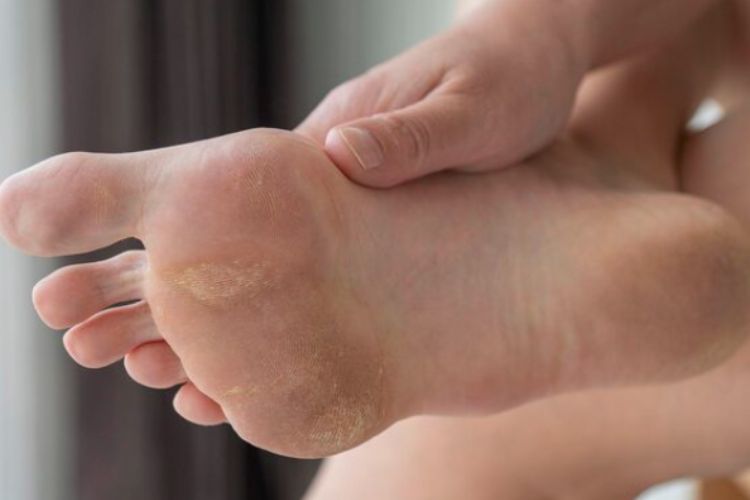
A small, hard patch on your toe or heel may seem harmless until every step starts to hurt. Corns usually develop because of repeated pressure or friction, but they can become painful when the underlying cause is ignored. Understanding foot corn causes and treatment can help you manage the problem safely and recognize when professional foot care may be necessary.
What Causes Corns on the Feet?
A corn develops when a particular area of skin experiences repeated pressure or friction. The skin responds by becoming thicker and harder as a natural protective reaction. Unfortunately, continued pressure can make this thickened area tender and uncomfortable.
Some of the most common foot corn causes include:
- Tight or poorly fitting shoes: Shoes that squeeze the toes can create constant pressure, while loose footwear may allow the foot to slide and rub.
- High heels: Wearing high heels can place additional pressure on the front of the foot and toes.
- Foot shape: Bunions, hammertoes and prominent joints can create areas where the skin repeatedly rubs against footwear.
- Uneven walking patterns: Changes in gait or weight distribution may put extra pressure on specific parts of the foot.
- Repeated friction: Activities or footwear that repeatedly rub the same area can encourage thickened skin to form.
Corns commonly develop on the tops or sides of the toes, between the toes or on other areas exposed to repeated pressure. Although corns and calluses are related, a corn is generally smaller and more concentrated, while a callus usually covers a broader area.
When Does a Foot Corn Need Medical Attention?
Not every corn requires immediate professional treatment. A small, uncomplicated corn may improve after the pressure or friction causing it has been reduced. Comfortable footwear, a wider toe box and appropriate cushioning can help prevent further irritation.
However, persistent pain is a sign that the problem deserves closer attention. If a corn continues to cause discomfort despite simple changes, it is worth having the area assessed rather than repeatedly trying to remove it at home.
Consider consulting a healthcare professional if:
- The corn remains painful after changing your footwear.
- The surrounding skin becomes red, swollen, warm or increasingly tender.
- The area starts bleeding or develops an open wound.
- There is fluid or discharge from the affected area.
- The same corn keeps returning in exactly the same location.
- The pain makes walking, exercising or completing everyday activities difficult.
- You are unsure whether the hard skin is actually a corn.
How Are Foot Corns Treated?
Successful treatment is not simply about removing the visible thickened skin. If the pressure point remains, the corn may return. A foot-care professional may therefore consider your footwear, foot structure, walking pattern and the location of the corn before recommending a treatment approach.
Depending on the cause and severity, corn treatment may include changing footwear, using protective pads, reducing pressure on the affected area, professionally removing excess thickened skin or addressing an underlying foot problem.
For people searching for corn removal treatment in Kolkata, treating the cause behind the corn can be just as important as removing the hardened skin itself.
It is also important to be cautious with DIY corn removal. Cutting a corn with a blade, scissors or another sharp object can injure healthy skin. Similarly, medicated corn-removal products may irritate the surrounding skin if they are not used correctly.
Can You Treat a Corn at Home?
For a healthy adult with a small and uncomplicated corn, reducing pressure and friction may be a sensible first step. Choose shoes that give your toes enough room to move naturally and avoid footwear that repeatedly causes rubbing.
Cushioned socks and protective padding may also help reduce friction in some situations. However, these measures should not be used simply to continue wearing shoes that are causing the problem.
If the corn keeps returning, consider it a clue rather than a coincidence. The repeated pressure may be related to your footwear, foot structure or walking pattern and may need professional assessment.
For more practical ideas about everyday foot care, you can also read The 5 Effective Alternative Remedies for Common Foot Ailments.
Who Should Avoid DIY Corn Removal?
Some people should be particularly careful when dealing with corns. If you have diabetes, reduced sensation in your feet, poor circulation or a history of foot wounds, attempting to cut or chemically remove a corn yourself may create unnecessary risks.
Professional foot assessment is especially important for:
- People with diabetes or reduced sensation in their feet.
- People with circulation problems affecting the feet.
- Anyone with a previous history of foot ulcers or wounds.
- People who develop skin breakdown around a corn.
- Anyone who is unsure whether a painful skin growth is actually a corn.
What appears to be a simple corn can sometimes have another cause. When the appearance or symptoms are unusual, professional evaluation can help identify the problem and determine the appropriate treatment.
Frequently Asked Questions About Foot Corns
1. Can a foot corn go away on its own?
Yes, a corn may gradually improve when the pressure or friction responsible for it is removed. If it continues to return, however, the underlying cause may still be present.
2. What is the difference between a corn and a callus?
Both corns and calluses develop from repeated pressure or friction. A corn is usually smaller and more localized, whereas a callus generally forms as a wider area of thickened skin.
3. Should I cut a corn off at home?
No. Cutting or shaving a corn yourself can damage healthy skin and increase the risk of injury. If removal is required, it is safer to have the area assessed and treated by a qualified professional.
4. When should I see a doctor for a foot corn?
You should seek professional advice if the corn is persistently painful, repeatedly returns, becomes inflamed, bleeds, develops discharge or interferes with walking. People with diabetes, poor circulation or reduced foot sensation should be particularly cautious about self-treatment.
Final Thoughts
A foot corn is often your skin’s response to repeated pressure, but the thickened patch is only part of the problem. The more important question is what keeps putting pressure on that particular area. Addressing the underlying cause can help reduce discomfort and lower the chance of the corn returning. If the pain persists or the skin becomes damaged, seeking professional foot care is the safer choice.