

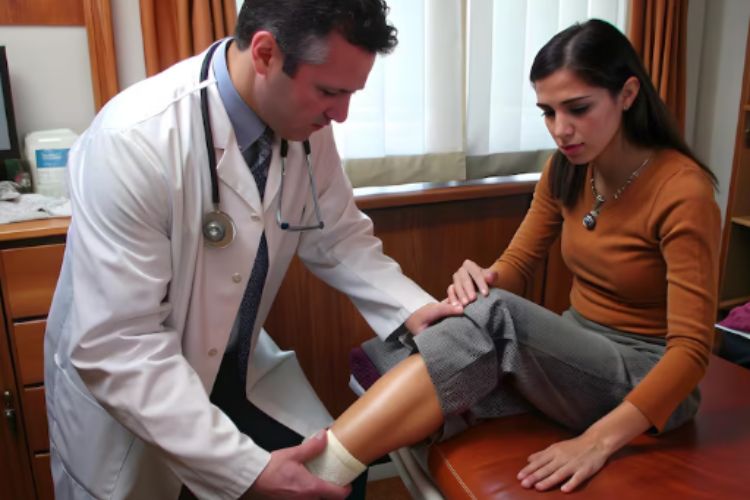
Your first orthopedic appointment does not have to feel intimidating. Whether you are dealing with persistent knee pain, a sports injury, back discomfort, or trouble walking, a little preparation can make the consultation much more useful. Knowing what to bring, what to explain, and what to ask can help you communicate confidently with an orthopedic doctor in Kolkata.
Start by Understanding Your Symptoms
Before walking into the clinic, think about your symptoms as a story rather than simply a complaint. When did the problem begin? Did it happen after an injury, or did it slowly appear? Does the pain bother you more while walking, climbing stairs, exercising, or resting?
Even small details can help an orthopedic specialist understand the bigger picture. The American Academy of Orthopaedic Surgeons explains that an initial orthopedic visit generally includes a medical history and physical examination, with imaging or other tests considered when appropriate. ([AAOS]) :contentReference[oaicite:0]{index=0}
- Note where the pain or stiffness occurs.
- Record when the symptoms started and how they have changed.
- Mention swelling, weakness, numbness, clicking, or restricted movement.
- Explain which everyday activities have become difficult.
Bring Your Previous Medical Records
If another doctor has already evaluated you, bring those records along. Previous X-rays, MRI or CT reports, prescriptions, physiotherapy notes, discharge papers, and relevant blood-test reports can save time and provide useful background.
Do not worry if you do not have every document. Bring what you can find. Also, do not automatically arrange a fresh scan just because you are visiting an orthopedic doctor. The specialist may decide that an examination is enough initially or recommend a specific investigation based on your symptoms.
According to AAOS, patients who already have relevant test results should bring them to the appointment when possible, since repeat testing may not always be necessary. :contentReference[oaicite:1]{index=1}
Make a List of Medicines and Allergies
Medication details are easy to forget during an appointment, particularly if you take several medicines. Prepare a simple list containing prescription medicines, painkillers, vitamins, herbal products, and supplements. Include the dosage when you know it.
MedlinePlus recommends keeping track of medicines, vitamins, supplements, and allergies and sharing that information with your healthcare provider. :contentReference[oaicite:2]{index=2}
- Write down the medicine name: Include both regular and occasional medicines.
- Mention allergies: Tell the doctor about previous reactions to medicines or treatments.
- Describe previous treatments: Explain whether a medicine, injection, brace, or therapy helped you.
Think About Your Lifestyle
Your daily routine can tell an orthopedic specialist a lot. Someone who stands for eight hours at work has different physical demands from someone who spends most of the day at a desk. Likewise, a recreational runner, a gym enthusiast, and someone recovering from an accident may experience similar symptoms for very different reasons.
Be ready to discuss your occupation, exercise routine, sports activities, commuting habits, and any recent change in physical activity. If your problem is specifically related to your feet or ankles, consulting a foot specialist doctor may also be appropriate depending on the nature of your symptoms.
Prepare Questions Before the Appointment
It is surprisingly common to remember an important question five minutes after leaving the clinic. Avoid that little frustration by writing your questions in advance. MedlinePlus recommends preparing questions and concerns before an appointment and asking for clarification whenever something is unclear. :contentReference[oaicite:3]{index=3}
- What might be causing my symptoms?
- Do I need an X-ray, MRI, or another investigation?
- What treatment options are available?
- Would physiotherapy or changes in activity help?
- Are there movements or activities I should temporarily avoid?
- When should I return for a follow-up?
Wear Comfortable, Practical Clothing
This sounds like a small detail, but it can make the physical examination easier. If you are visiting because of knee, hip, shoulder, or ankle discomfort, wear clothing that allows the affected area to be examined without difficulty.
For foot or ankle complaints, bring or wear the footwear you normally use. Your everyday shoes may provide useful context about your walking habits and comfort.
Be Honest About What You Have Tried
There is no need to present a perfect version of your medical history. Tell the doctor what you have genuinely tried. Maybe you rested for two weeks, used a pain-relief medicine, visited a physiotherapist, wore a support, or simply ignored the discomfort hoping it would disappear.
All of that information matters. Being straightforward helps the doctor understand what has already been attempted and what happened afterward. It can also prevent you from accidentally repeating a treatment that was ineffective or unsuitable for you.
Consider Bringing Someone With You
A trusted family member or friend can be useful, especially if you are anxious about the appointment or expect to discuss several treatment options. They can help remember instructions, take notes, or simply provide another perspective.
MedlinePlus also suggests bringing someone you trust when helpful and recommends taking notes during medical appointments. :contentReference[oaicite:4]{index=4}
FAQs
1. Should I get an X-ray before seeing an orthopedic doctor?
Not necessarily. Bring previous imaging if you have it, but the doctor may recommend a particular test after reviewing your symptoms and performing an examination.
2. What should I bring to my first orthopedic appointment?
Bring previous medical reports, imaging results, prescriptions, a list of medicines and allergies, and your questions. If possible, also note when your symptoms began and what makes them better or worse.
3. Should I stop taking pain medicine before my appointment?
Do not stop prescribed medication simply to prepare for an appointment unless your healthcare provider specifically tells you to. Tell the orthopedic specialist what you are taking and why.
4. What happens during the first orthopedic consultation?
The appointment commonly involves discussing your medical history and symptoms followed by a physical examination. Depending on the findings, the doctor may recommend imaging, other investigations, treatment, or follow-up.
Final Thoughts
Your first orthopedic consultation is not a test you need to pass. Think of it as a conversation where your symptoms, medical history, lifestyle, and questions all contribute pieces of the puzzle. Arrive prepared, speak honestly, and ask when something is unclear. A few minutes of preparation can make the entire appointment feel more focused and productive.