

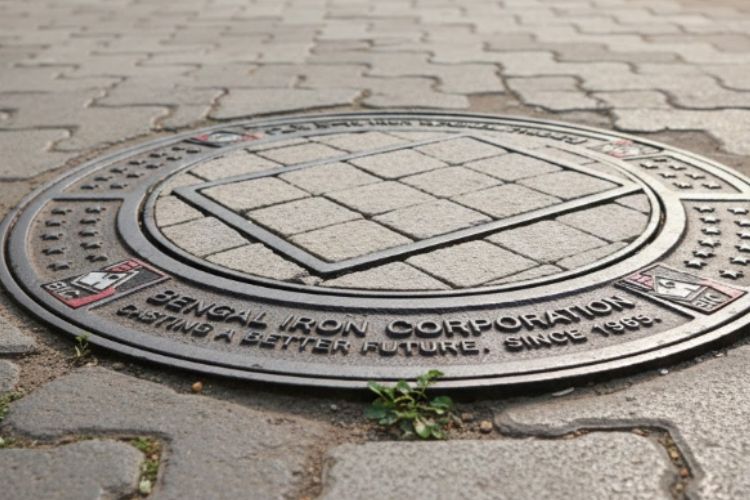
Take a slow walk through any modern Indian city and you’ll notice something interesting. Roads are smoother, footpaths are neater, and urban design is finally getting the attention it deserves. Yet, one small but crucial element often decides how “finished” a street really feels—the manhole cover. Choices today are no longer just about Cast Iron Cover Price, but about safety, aesthetics, and long-term performance.
This is where recessed manhole covers quietly enter the conversation, offering cities a smarter way to manage underground access without disrupting surface design.
Also Read: Why is PVC No More the Right Choice for High-rise Buildings?
What Makes Recessed Manhole Covers Different?
Unlike traditional raised covers, recessed manhole covers are designed to sit flush with the surrounding surface. They allow paving blocks, tiles, or concrete finishes to be laid inside the cover tray, making the access point nearly invisible. Think of it as hiding functionality in plain sight.
Urban planners and municipal engineers increasingly prefer this design for premium roads, smart city zones, and pedestrian-heavy areas.
Core Advantages at a Glance
- Flush finish: Reduces trip hazards and uneven road surfaces.
- Improved aesthetics: Blends seamlessly with modern paving.
- Better load distribution: Designed to handle urban traffic efficiently.
Why Modern Indian Cities Are Adopting Them
India’s urban infrastructure is under pressure. According to insights shared by Smart Cities Mission (Govt. of India), cities are prioritizing durable, low-maintenance components that can survive heavy usage and unpredictable weather.
Recessed covers support this goal by reducing surface damage and minimizing the frequent repairs caused by protruding or poorly fitted traditional covers.
Urban Challenges They Solve
- Pedestrian safety: No raised edges or sudden level changes.
- Noise reduction: Eliminates rattling under vehicle movement.
- Longevity: Less wear from braking and acceleration forces.
Material Matters: Cast Iron vs Ductile Iron
While cast iron has been a long-standing choice, ductile iron is gaining traction for recessed applications due to its superior tensile strength and impact resistance. Municipal bodies now weigh initial investment against lifecycle cost rather than focusing only on upfront pricing.
Standards referenced by organizations such as Bureau of Indian Standards (BIS) increasingly emphasize performance under real-world conditions—something ductile iron handles particularly well.
Where Recessed Covers Work Best
The use of Recessed Manhole Cover India solutions has expanded beyond city roads. They are now commonly specified in commercial complexes, IT parks, airports, and residential townships.
Typical Application Areas
- Smart city roads and walkways
- Shopping districts and public plazas
- Hospitals, campuses, and gated communities
The logic is simple: wherever surface continuity matters, recessed covers offer a cleaner solution.
Cost vs Value: A Practical Perspective
It’s tempting to judge manhole covers purely by unit cost. But engineers increasingly argue that frequent repairs, accidents, and visual degradation cost cities far more over time. A slightly higher initial spend often translates into fewer complaints, safer streets, and better public perception.
Reports summarized by The World Bank suggest that infrastructure components designed for durability significantly reduce long-term urban maintenance expenses.
Frequently Asked Questions
What is a recessed manhole cover?
A recessed manhole cover is designed with a tray that holds paving material, allowing it to sit flush with the surrounding surface for a seamless finish.
Are recessed covers strong enough for traffic?
Yes. When manufactured to standards, especially using ductile iron, they can handle heavy vehicular loads commonly found in urban areas.
Do recessed manhole covers reduce accidents?
By eliminating raised edges and uneven surfaces, they significantly reduce tripping hazards and vehicle instability.
Where are recessed manhole covers most commonly used?
They are widely used in smart city projects, pedestrian zones, commercial spaces, and premium residential developments.
Final Thoughts
Recessed manhole covers may seem like a small design choice, but they reflect a city’s larger commitment to safety, aesthetics, and smart planning. As Indian cities evolve, these subtle upgrades often make the biggest difference.
Blog Development Credits:
This article was ideated and shaped by Bengal Iron Corporation, supported by AI-driven research tools, and refined with targeted SEO insights by the Bengal Iron Corporation team.