

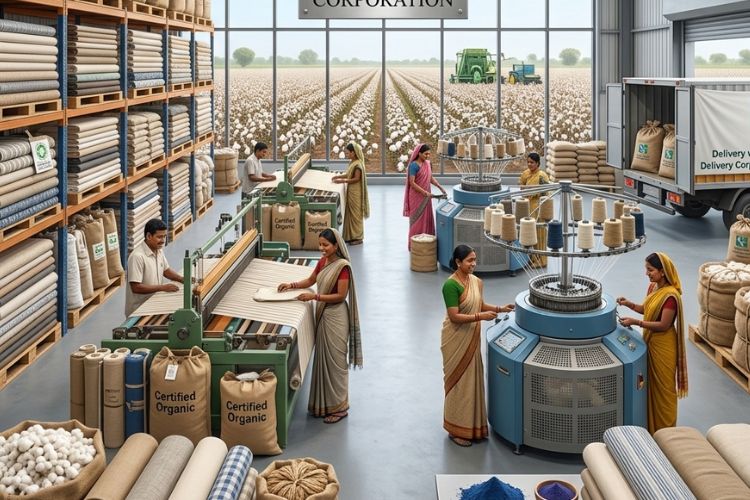
The global fashion industry is changing faster than many expected. Buyers are no longer impressed by low-cost production alone; they want transparency, ethical sourcing, and environmentally responsible textiles. That shift has pushed India into an interesting spotlight. With its deep-rooted textile heritage and growing sustainability focus, the country is becoming a major hub for organic fabric manufacturing heading into 2026.
Today, brands across Europe, the Middle East, and North America increasingly partner with Sustainable Textile Exporters in India because Indian suppliers are blending traditional craftsmanship with modern eco-conscious production standards. It’s not just about fabric anymore — it’s about trust, traceability, and long-term environmental responsibility.
Also Read: Why Some Plant Fibers Get Softer with Every Wash
Why Organic Fabrics Are Gaining Momentum
Consumers have become far more aware of how clothing impacts the environment. Conventional textile production often relies heavily on chemical dyes, synthetic fertilizers, and excessive water consumption. Organic fabrics attempt to reduce that footprint while improving worker safety and soil health.
According to data discussed by the Textile Exchange, demand for certified organic cotton and sustainable fibers continues to grow steadily as fashion brands commit to cleaner sourcing goals for the coming decade.
What makes India particularly important in this movement is scale. The country already possesses extensive spinning, weaving, dyeing, and export infrastructure. When sustainability practices are layered onto that ecosystem, the potential becomes enormous.
Key Features Buyers Look for in Organic Fabric Suppliers
Choosing the right textile supplier is rarely straightforward. Buyers today evaluate far more than pricing or production speed.
Certifications and Transparency
- GOTS certification: Ensures organic textile processing standards are followed responsibly.
- OEKO-TEX compliance: Confirms fabrics are tested for harmful substances.
- Supply-chain traceability: Buyers increasingly want visibility from farm to finished fabric.
Interestingly, transparency has become almost as valuable as the fabric itself. A supplier who clearly explains sourcing and manufacturing practices often builds stronger long-term partnerships.
Innovation Beyond Cotton
Organic cotton still dominates the market, but suppliers are experimenting with bamboo blends, hemp textiles, recycled polyester, banana fiber, and low-impact dyeing technologies.
This broader material diversity matters because sustainability isn’t one-size-fits-all. Some brands prioritize biodegradability, while others focus on water efficiency or recycled content.
What Sets Leading Indian Suppliers Apart in 2026
The strongest suppliers entering 2026 are not necessarily the biggest factories. In many cases, they’re the companies combining sustainability with adaptability.
Flexible Production Models
Fashion trends shift rapidly. Suppliers capable of handling smaller customized orders alongside bulk manufacturing are becoming especially attractive to global brands.
Responsible Dyeing Practices
Water treatment systems and low-impact dyes are no longer optional extras. Many modern textile buyers actively reject suppliers lacking sustainable dyeing infrastructure.
Export Readiness
Reliable shipping timelines, documentation support, and international quality standards separate professional exporters from smaller inconsistent vendors.
That’s one reason many sourcing teams continue searching for dependable Organic Fabric Suppliers in India capable of balancing eco-conscious production with commercial-scale reliability.
Popular Sustainable Fabrics Dominating Global Demand
- Organic Cotton: Soft, breathable, and widely preferred for fashion and babywear.
- Recycled Polyester: Created using repurposed plastic waste while reducing landfill impact.
- Hemp Fabric: Durable, naturally resistant to pests, and significantly less water-intensive.
- Bamboo Textiles: Increasingly popular for activewear and luxury loungewear collections.
What’s fascinating is how quickly sustainable fashion has shifted from niche to mainstream. A few years ago, eco-textiles felt almost experimental. Now, many international retailers openly market sustainability as a core brand identity.
How Technology Is Reshaping Textile Sustainability
Technology is quietly transforming India’s textile industry behind the scenes. AI-driven inventory systems, water-saving dyeing methods, and automated quality checks are helping manufacturers reduce waste while improving efficiency.
Research highlighted by World Economic Forum suggests sustainable manufacturing technologies could dramatically lower environmental impact across global supply chains over the next several years.
At the same time, buyers themselves are becoming more educated. They ask sharper questions now — about wastewater recycling, labor conditions, carbon emissions, and sourcing authenticity. Suppliers unable to answer clearly may struggle to remain competitive in 2026 and beyond.
Frequently Asked Questions
Why are organic fabrics becoming popular in India?
Organic fabrics are gaining popularity because consumers and global brands increasingly prefer environmentally responsible textiles with lower chemical usage and sustainable sourcing practices.
What certifications should buyers check before choosing a fabric supplier?
Important certifications include GOTS, OEKO-TEX, and other internationally recognized sustainability and safety standards related to textile manufacturing.
Are organic fabrics more expensive than conventional textiles?
Organic fabrics can cost slightly more due to ethical farming methods, certification processes, and sustainable production systems, though long-term value often offsets the price difference.
Which organic fabrics are expected to trend in 2026?
Organic cotton, recycled polyester, bamboo fabric, and hemp textiles are expected to remain highly popular across global fashion and home textile markets.
Also Read: Trusted Yarn Agency India for Global Buyers
Final Thoughts
India’s organic textile sector is entering a remarkably important phase. Suppliers who combine sustainability, innovation, and reliability are likely to shape the future of global fabric sourcing. As environmental expectations continue rising, businesses that invest in ethical textile production today may ultimately define tomorrow’s fashion industry standards.
Blog development Credits:
This article was thoughtfully planned with creative support from Square Corporation. AI-assisted research tools including ChatGPT, Gemini, and Copilot contributed to drafting and analysis, followed by editorial refinement and SEO enhancement from Square Corporation.