

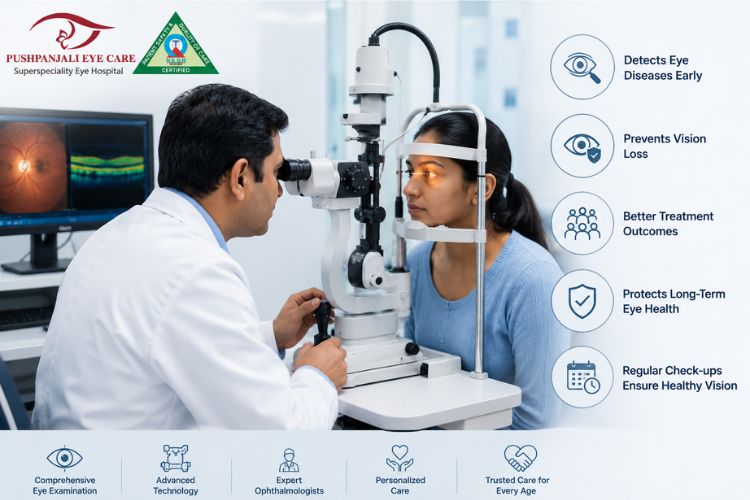
Most people visit an eye doctor only when vision becomes blurry or headaches start interfering with daily life. But many serious eye conditions develop quietly, often without noticeable symptoms in the beginning. Early detection can make the difference between preserving healthy eyesight and facing long-term vision complications. That’s why regular eye examinations are no longer just a recommendation—they’re essential preventive care for every age group.
At Pushpanjali Eye Care, patients often discover that subtle vision changes they ignored for months were actually early signs of treatable eye conditions. Consulting the Best Ophthalmologist in Kolkata at the right time can help identify problems before they begin affecting daily life, work productivity, or long-term eye health.
Why Early Eye Detection Matters More Than Ever
Modern lifestyles have dramatically changed the way our eyes function every day. Long screen exposure, poor sleep habits, rising diabetes cases, pollution, and stress are all contributing to increasing vision-related concerns among adults and even teenagers. What makes this concerning is that many eye diseases develop slowly and painlessly.
Conditions like glaucoma, diabetic retinopathy, retinal disorders, and cataracts may progress silently for years. By the time symptoms become obvious, some level of vision damage may already be permanent.
According to the World Health Organization (WHO), more than 2.2 billion people globally live with vision impairment, and nearly half of those cases could have been prevented or treated with timely care.
Common Eye Conditions That Often Go Undetected
1. Glaucoma
Often called the “silent thief of sight,” glaucoma gradually damages the optic nerve without causing early discomfort. Many patients maintain normal vision until the disease reaches advanced stages.
Routine eye pressure checks and optic nerve evaluations are extremely important, especially for people above 40 or those with diabetes and family history. Visiting an experienced Glaucoma Specialist in Kolkata can significantly reduce the risk of long-term vision loss through timely treatment and monitoring.
2. Diabetic Eye Disease
Diabetes affects tiny blood vessels inside the retina. In the early stages, diabetic retinopathy may not show any warning signs at all. However, delayed diagnosis can eventually lead to blurred vision, retinal swelling, or even blindness.
People living with diabetes should schedule comprehensive eye examinations at least once a year, even if their eyesight appears perfectly normal.
3. Cataracts
Many individuals assume cloudy vision is simply a part of aging. While cataracts are common with age, early diagnosis helps doctors monitor progression and suggest treatment before daily activities become difficult.
Warning Signs You Should Never Ignore
Not every eye condition causes immediate pain. Sometimes the symptoms appear subtle or inconsistent. That’s why small changes deserve attention.
- Frequent headaches after screen use
- Difficulty seeing clearly at night
- Sudden floaters or flashes of light
- Eye strain while reading
- Blurred or double vision
- Sensitivity to light
Even occasional symptoms can indicate underlying issues. Early evaluation helps prevent future complications and often reduces the complexity of treatment.
How Regular Eye Exams Protect Long-Term Vision
A comprehensive eye examination does much more than update your glasses prescription. Modern diagnostic technology allows ophthalmologists to identify hidden changes inside the eye long before symptoms begin.
At the Best Eye Hospital in Kolkata, advanced retinal imaging, glaucoma screening, OCT scans, and digital eye testing help doctors monitor vision health with greater precision than ever before.
In many cases, patients are surprised to learn that eye exams can also reveal signs of broader health conditions, including:
- High blood pressure
- Diabetes complications
- Neurological disorders
- Autoimmune conditions
That’s one reason ophthalmologists often describe the eye as a “window” into overall health.
Who Should Prioritize Preventive Eye Care?
Although everyone benefits from routine eye exams, some groups face higher risk and should avoid delaying check-ups.
High-Risk Groups Include:
- Adults above 40 years
- People with diabetes or hypertension
- Individuals with family history of glaucoma
- Heavy screen users and IT professionals
- Children with frequent headaches or poor academic focus
- Senior citizens experiencing vision changes
Interestingly, many parents overlook children’s eye health because kids rarely complain. However, undiagnosed vision problems can affect concentration, learning ability, and confidence in school.
The Emotional Side of Vision Health
Vision loss doesn’t only affect eyesight—it changes independence, mobility, and emotional wellbeing. Something as simple as driving at night, reading medicine labels, or recognizing faces becomes challenging when eye conditions remain untreated for too long.
Early diagnosis gives patients more treatment options, better recovery outcomes, and peace of mind. It also helps families avoid the emotional and financial burden that often comes with advanced eye disease management.
Also Read: Night Vision Problems? Here’s What Eye Experts in Kolkata Suggest
FAQs
Q. How often should adults get their eyes checked?
A. Most adults should schedule a comprehensive eye examination every one to two years. Individuals with diabetes, glaucoma risk, or existing eye conditions may require more frequent visits.
Q. Can eye diseases develop without symptoms?
A. Yes. Conditions like glaucoma and diabetic retinopathy often progress silently in the early stages, making regular eye check-ups extremely important.
Q. Are digital screens damaging eyesight permanently?
A. Extended screen use may not permanently damage eyesight, but it can cause digital eye strain, dryness, headaches, and temporary blurred vision if not managed properly.
Q. What age should children start eye examinations?
A. Children should undergo their first detailed eye examination before starting school, followed by periodic check-ups based on the ophthalmologist’s recommendation.
Final Thoughts
Eye health rarely demands attention until vision begins to suffer—but waiting for symptoms can sometimes be risky. Early detection allows doctors to identify problems sooner, begin treatment faster, and protect long-term eyesight more effectively. Regular eye examinations are not just about seeing clearly today; they are an investment in healthy vision for the future. At Pushpanjali Eye Care, preventive eye care remains one of the strongest tools for helping patients maintain clearer, healthier vision at every stage of life.
Blog Development Credit
This article was crafted using insights from advanced AI research platforms such as ChatGPT and Google Gemini to ensure up-to-date industry knowledge and valuable perspectives. The content strategy, optimization, and final publishing were managed by Pushpanjali Eye Care.