

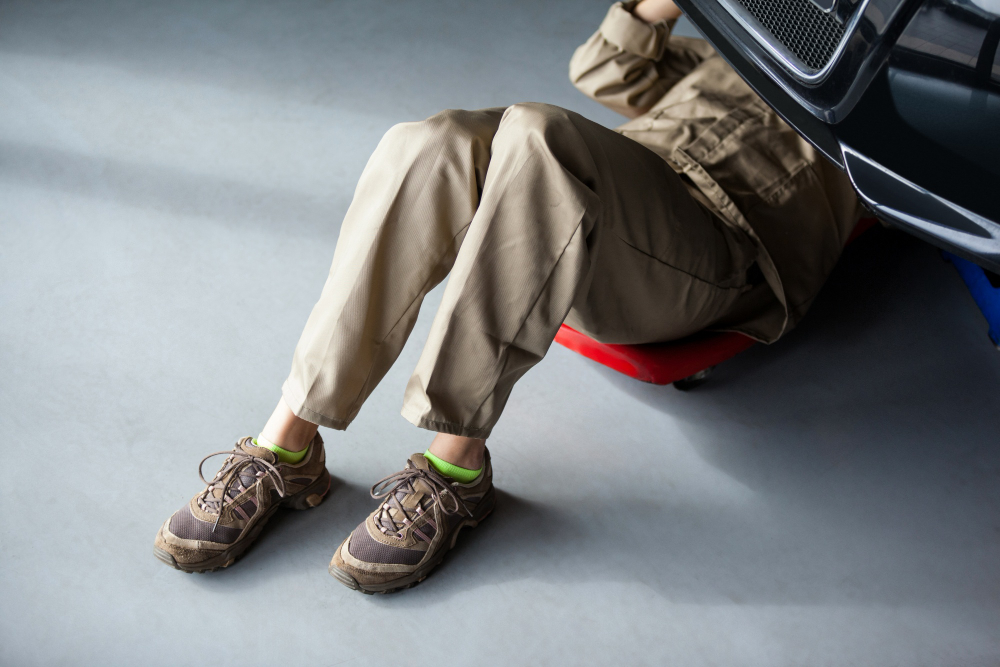
When workers spend eight, ten, or even twelve hours on their feet, the sole of a safety shoe becomes much more than a piece of rubber underneath the boot. It affects grip, stability, fatigue, and confidence with every step. In Saudi Arabia’s construction, logistics, manufacturing, oil and gas, and industrial environments, the right safety shoes can make a noticeable difference.
Why Does the Sole Matter So Much?
Think of a shoe sole as the worker’s first line of contact with the working surface. A strong upper may protect against impact, but the sole determines how effectively the foot interacts with concrete, metal platforms, dusty floors, wet areas, or uneven ground.
This matters because slips and falls are not minor workplace concerns. The U.S. Occupational Safety and Health Administration (OSHA) identifies slips, trips, and falls as significant workplace hazards and estimates that its walking-working surfaces rule could prevent approximately 29 fatalities and 5,842 lost-workday injuries each year. OSHA workplace safety guidance provides further details.
For Saudi worksites, where workers may move between indoor facilities, outdoor yards, workshops, and hot or dusty environments during the same shift, sole selection deserves particular attention.
How Different Sole Features Improve Protection?
1. Slip Resistance
A slip-resistant outsole helps create traction between the shoe and the floor. This is especially useful around workshops, warehouses, maintenance areas, kitchens, and industrial facilities where water, oil, chemicals, or other substances may affect the walking surface.
The tread pattern also matters. Deep, well-spaced grooves can help channel debris and liquid away from key contact areas. However, no sole can compensate for a badly maintained floor. OSHA recommends keeping walking surfaces clean, dry, and free from hazards. OSHA’s slip and fall guidance also highlights appropriate footwear as one part of hazard control.
2. Shock Absorption and Cushioning
Standing and walking on hard concrete for an entire shift can be tiring. A sole with suitable cushioning can reduce the harsh feeling transferred through the feet and legs with every step.
This is particularly relevant for warehouse pickers, construction workers, technicians, drivers, and maintenance teams who spend much of their working day moving around. Good cushioning should feel supportive rather than excessively soft, because too much softness can reduce stability.
3. Stability and Flexibility
A safety shoe sole needs a sensible balance between firmness and flexibility. A rigid sole can provide stability on demanding surfaces, while controlled flexibility allows the foot to move naturally when climbing stairs, walking long distances, or kneeling during maintenance work.
- Firm construction: useful where workers need greater underfoot stability.
- Controlled flexibility: helpful for jobs involving frequent walking or bending.
- Stable heel area: supports balance during repeated movement.
What Sole Should Saudi Workers Look For?
There is no single outsole that fits every occupation. A refinery technician, construction worker, warehouse employee, and delivery professional can face very different floor conditions.
Before selecting footwear, consider:
- The type of surface workers walk on most frequently.
- Exposure to oil, water, chemicals, heat, dust, or metal debris.
- How many hours workers spend standing or walking.
- Whether the job involves climbing, driving, lifting, or frequent outdoor movement.
- Whether the footwear’s protective features match the site’s hazard assessment.
For businesses purchasing large quantities, choosing safety shoes wholesale can also make it easier to standardize appropriate footwear across teams while considering different job roles.
Comfort Is Part of Workplace Protection
It is easy to think of comfort as a luxury. On a busy industrial site, it is not. When footwear feels excessively heavy, stiff, hot, or unstable, workers may become distracted or adjust their walking pattern to compensate.
That is why weight, cushioning, ventilation, heel stability, and outsole design should be considered together rather than separately. Workers who spend most of their shift moving between locations may also benefit from lighter footwear. For more context, see Lightweight Work Boots: A Smarter Choice for High-Mobility Industrial Jobs.
For employers, comfort should never replace protection requirements. Instead, the goal is to find footwear that combines both.
How to Maintain Safety Shoe Soles?
Even a well-designed outsole loses effectiveness when it becomes excessively worn. Regular inspection should therefore be part of workplace footwear management.
- Check the tread for excessive wear or smooth sections.
- Look for cracks, separation, embedded objects, or damaged areas.
- Clean accumulated oil, mud, and debris according to the manufacturer’s instructions.
- Replace footwear when the sole can no longer provide the required traction or structural support.
OSHA’s walking-working surface requirements emphasize maintaining safe walking areas, reinforcing an important point: footwear is one part of a broader workplace safety system, not a substitute for housekeeping, training, and hazard controls.
FAQs About Safety Shoe Soles
1. Do thicker safety shoe soles provide better protection?
Not necessarily. Sole thickness should match the work environment. A well-designed sole with appropriate traction, stability, cushioning, and durability can be more useful than simply choosing the thickest option.
2. Are slip-resistant soles useful in dusty environments?
They can be, but performance depends on the outsole design and the surface. Dust, loose particles, oil, and other contaminants can reduce traction, so proper housekeeping remains essential.
3. Should safety shoes be comfortable immediately?
They should feel secure and reasonably comfortable from the beginning. Persistent pressure points, unstable footing, or excessive stiffness are signs that the footwear may not suit the worker or task.
4. How often should safety shoe soles be replaced?
There is no universal replacement schedule. Inspect the soles regularly and replace footwear when tread, structural integrity, or protective performance has deteriorated.
Final Thoughts
The sole may be the least noticeable part of a safety shoe, but it has a major role in everyday workplace performance. For Saudi businesses, selecting footwear according to surface conditions, job demands, climate, traction needs, and worker comfort can create a more practical approach to foot protection. The right sole does not simply support the foot—it supports safer movement throughout the working day.