

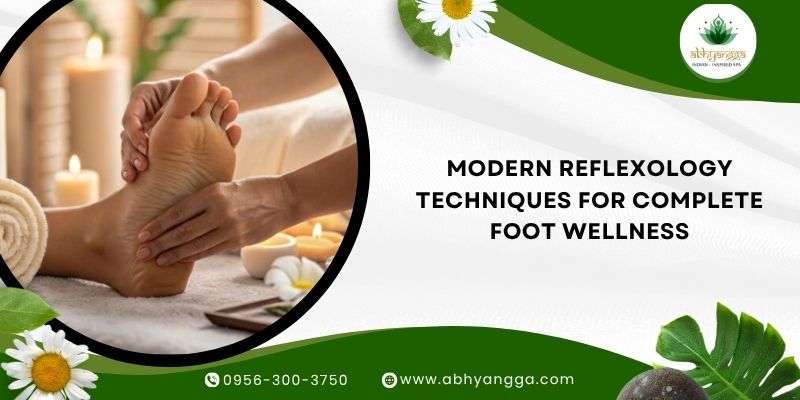
Your feet carry you through almost everything—commuting, working, exercising, travelling and standing for long hours. Yet they are often the last part of the body we think about when planning a wellness routine. Modern reflexology combines focused pressure, massage movements and relaxation techniques to create a more intentional approach to foot care. A professional reflexology foot massage can make foot wellness feel less like an occasional indulgence and more like purposeful self-care.
What Makes Modern Reflexology Different?
Traditional reflexology uses pressure on specific areas of the feet based on the idea that they correspond with other parts of the body. Modern wellness practice takes a more measured approach. Instead of presenting reflexology as a treatment for internal diseases, it focuses on the sensory experience of pressure, touch, muscle relaxation and overall comfort.
That distinction matters. The National Center for Complementary and Integrative Health notes that the claimed connections between reflexology points and other parts of the body have not been scientifically established. At the same time, research has investigated reflexology for outcomes such as anxiety, sleep and fatigue. [NCCIH evidence overview]
Modern Reflexology Techniques to Know
1. Gentle Foot Warm-Up
A good session generally begins with broad, comfortable movements. Stroking and kneading help prepare the feet before more focused pressure is introduced. This gradual approach can also help the recipient settle mentally into the session.
2. Targeted Pressure Work
Rather than applying the same pressure everywhere, a practitioner can adjust technique according to areas of tension and the person’s comfort level. Thumb walking, circular pressure and controlled fingertip movements are commonly used in reflexology-style massage.
3. Mobility and Stretching
Foot wellness is not only about pressure points. Gentle toe movements, ankle rotations and stretching can complement massage by bringing movement back into areas that may feel stiff after prolonged standing or sitting.
4. Relaxation-Focused Massage
Modern sessions often blend reflexology with broader massage techniques. Long, flowing strokes across the sole and top of the foot can create a calmer transition between targeted pressure and complete relaxation.
What Does the Research Say?
Research suggests that reflexology may have value as a complementary relaxation practice, although the evidence does not support treating it as a cure for disease. A meta-analysis of 26 randomized controlled trials involving 2,366 adults found improvements in measures of depression, anxiety and sleep quality, while researchers also called for more rigorous studies.
A 2024 randomized trial involving people receiving hemodialysis reported improved sleep, lower anxiety and better quality-of-life measures after a three-week reflexology intervention. Because that study involved a specific clinical population, its findings should not automatically be generalized to everyone.
The practical takeaway is simple: reflexology may support relaxation and certain aspects of wellbeing, but it should complement—not replace—appropriate medical care.
How to Build a Complete Foot-Wellness Session?
A well-designed session can move through several stages instead of relying on intense pressure from beginning to end:
- Prepare: Clean and comfortably position the feet.
- Warm: Use gentle strokes and kneading.
- Target: Apply controlled reflexology or pressure-point techniques.
- Mobilize: Add gentle toe and ankle movements.
- Relax: Finish with slower, lighter massage strokes.
This layered approach is particularly useful for people whose feet feel tired after long periods of standing, walking or daily activity.
Choosing a Professional Foot Massage in Cebu
Technique is only one part of the experience. Practitioner skill, hygiene, communication, pressure control and the ability to adapt a session to individual comfort all matter. At the best spa Cebu City has to offer for a relaxing wellness experience, the focus should be on creating a comfortable session rather than simply applying stronger pressure.
Abhyangga’s signature foot massage combines reflexology with other massage approaches and allows techniques to be adjusted according to individual needs. Its current service information also describes the use of massage oils and different session durations.
When Should You Be Cautious?
Foot massage is generally well tolerated when performed appropriately, but it is not suitable for every situation. Anyone with a recent blood clot, significant injury, open wound, bleeding disorder, certain nerve problems or other relevant medical conditions should seek appropriate professional advice before massage. Pregnancy and medication use can also warrant additional discussion.
Massage should feel comfortable rather than painfully intense. If pressure feels excessive, communicate with the therapist and request an adjustment. Mayo Clinic similarly recommends discussing massage with a healthcare professional in several higher-risk circumstances.
Make Foot Care Part of Your Wellness Routine
Complete foot wellness does not require complicated equipment. Comfortable footwear, regular movement, sensible hygiene, hydration, rest and occasional professional massage can all form part of a practical routine. For a broader perspective on why foot care deserves more attention, explore Self-Care Begins with Your Feet: Why It Matters More Than You Think.
Modern reflexology is ultimately less about making extraordinary promises and more about thoughtful touch, relaxation and attentive foot care. When traditional techniques are combined with contemporary wellness principles, a foot massage can become a meaningful pause in an otherwise demanding day.
Final Thought
Your feet may be small compared with the rest of your body, but their daily workload is enormous. A carefully structured reflexology foot massage can provide a focused opportunity to slow down, release everyday tension and reconnect with your body’s need for rest. If you are in Cebu and looking for a professional wellness experience, choosing a skilled practitioner and communicating your comfort preferences can make the session far more rewarding.
Full Audio Version: Click Here