

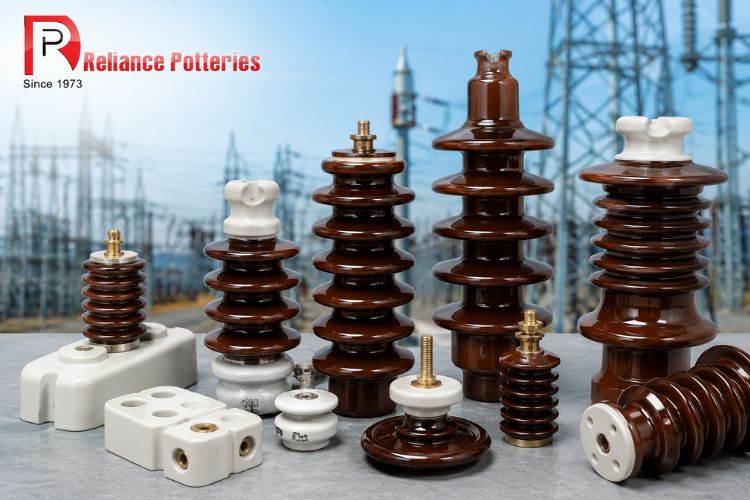
Industrial infrastructure rarely gets attention until something fails. A transformer overheats, a power line trips, or a substation suddenly faces insulation breakdown. That’s usually when companies realize how critical high-quality industrial insulators really are. In 2026, choosing the right manufacturer isn’t just a procurement decision anymore—it’s a long-term investment in operational safety, durability, and energy reliability.
Across India and global export markets, leading Insulators Manufacturers are adapting quickly to stricter energy demands and modern grid infrastructure. According to the International Energy Agency (IEA), electricity demand from industrial operations continues to rise steadily, placing greater pressure on transmission systems and insulation performance worldwide.
Also Read: How Insulators Support Reliable Power Transmission in Factories
Why Industrial Insulators Matter More Than Ever
At first glance, insulators may seem like simple components. But honestly, they do a surprisingly heavy job behind the scenes. Whether installed in substations, railways, transformers, or heavy manufacturing units, these products protect electrical systems from leakage, voltage fluctuations, and environmental stress.
Modern industries operate under conditions that are far harsher than they were twenty years ago. Extreme temperatures, pollution exposure, humidity, and rising voltage requirements mean low-grade insulation products simply don’t last as long anymore.
Key Industries Using Industrial Insulators
- Power transmission networks: High-voltage lines require durable ceramic and composite insulators.
- Railway electrification: Insulators help maintain stable and safe electrical connections across rail infrastructure.
- Heavy manufacturing plants: Industrial machinery depends on proper insulation to reduce operational risks.
- Renewable energy systems: Wind and solar facilities increasingly rely on advanced insulation technologies.
What Defines a Reliable Manufacturer?
Not all suppliers operate at the same level, and buyers usually learn that the hard way. The best manufacturers focus on engineering precision, material quality, and long-term performance rather than just low pricing.
Reliable suppliers often invest heavily in testing labs, thermal resistance analysis, and high-voltage endurance checks. According to the National Institute of Standards and Technology, electrical infrastructure reliability depends significantly on material consistency and insulation performance under varying environmental conditions.
Features to Look for Before Choosing a Supplier
- Product certification: International standards compliance is essential for industrial safety.
- Manufacturing capability: Large-scale facilities usually ensure better consistency and delivery timelines.
- Material quality: Porcelain, ceramic, and polymer compositions directly affect durability.
- Customization options: Industrial projects often require application-specific insulation solutions.
The Growing Demand for Advanced Insulation Solutions
The industrial insulation market is evolving faster than many expected. Utilities are upgrading old infrastructure, renewable energy projects are expanding, and industries are demanding more efficient electrical systems. That shift is creating strong demand for high-performance transformer accessories and heavy-duty insulation products.
In the middle of this transformation, every experienced Transformer Bushing Manufacturer is focusing on products that can tolerate higher thermal stress and fluctuating voltage loads. It’s no longer enough for components to simply “work.” They must perform reliably for years with minimal maintenance.
Interestingly, industrial buyers are also paying closer attention to lifecycle costs rather than upfront purchase prices alone. A cheaper insulator that fails early often creates larger operational expenses later—downtime, repairs, equipment damage, and even safety risks.
Why Solid Core Insulators Are Still in Demand
Despite newer technologies entering the market, traditional solid core systems remain widely trusted in heavy electrical applications. A dependable Solid Core Insulators Supplier continues to play a major role in supporting transmission lines, switchgear systems, and industrial substations.
There’s a practical reason for that popularity. Solid core insulators are known for excellent mechanical strength and stable electrical performance, especially in demanding outdoor environments where weather conditions fluctuate constantly.
Emerging Trends in Industrial Insulation
- Composite insulator adoption: Lightweight alternatives are gaining traction in certain applications.
- Smart grid integration: Advanced monitoring systems are influencing insulation design standards.
- Eco-conscious production: Manufacturers are gradually reducing emissions and waste during production.
- High-voltage optimization: Demand for extra-high-voltage equipment continues increasing globally.
How to Compare Industrial Insulator Manufacturers
One of the smartest things buyers can do is evaluate suppliers beyond catalogs and sales pitches. Requesting product samples, factory certifications, testing records, and export experience often reveals far more about reliability than marketing claims.
Strong manufacturers also communicate clearly. If technical questions are answered vaguely or specifications feel incomplete, that’s usually worth noticing. In industrial procurement, transparency tends to reflect operational confidence.
Frequently Asked Questions
What materials are commonly used in industrial insulators?
Porcelain, ceramic, glass, and polymer-based materials are widely used because of their strong electrical resistance and durability under harsh environmental conditions.
Why are transformer bushings important?
Transformer bushings safely allow electrical conductors to pass through grounded transformer tanks while maintaining insulation and preventing energy leakage.
How long do industrial insulators typically last?
High-quality industrial insulators can last several decades when installed correctly and maintained under proper operating conditions.
What industries depend most on electrical insulators?
Power generation, railway systems, renewable energy projects, substations, and heavy manufacturing industries rely heavily on industrial insulation systems.
Also Read: High Voltage Insulator Manufacturers in India
Final Thoughts
Industrial insulators may not be the most visible part of electrical infrastructure, but they are absolutely among the most essential. As industries modernize and power systems become more demanding, manufacturers that prioritize quality, testing, and innovation will continue shaping the future of reliable energy transmission.
Blog Development Credits:
This article was thoughtfully developed with research support, AI-assisted drafting technologies, and SEO refinement contributions coordinated by Reliance Potteries to improve clarity, relevance, and reader engagement.