

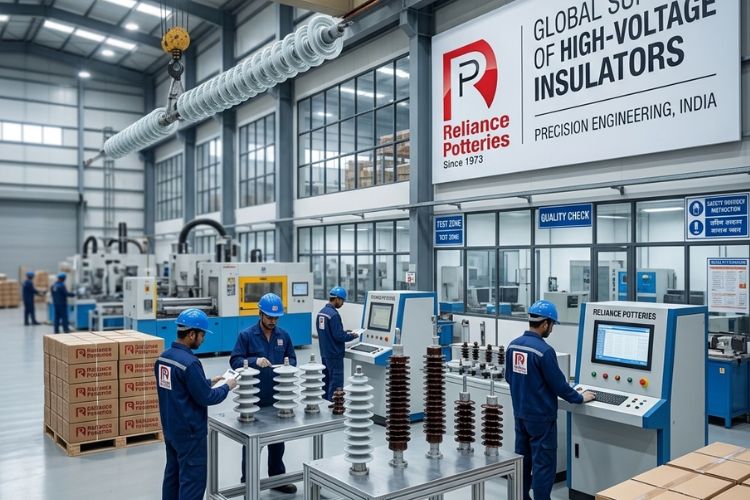
Electricity powers modern life, but safely directing that power requires components that often go unnoticed. Electrical insulators are among those unsung heroes. Whether in power transmission networks, substations, or industrial facilities, the quality of an insulator can significantly impact performance, reliability, and safety. Understanding what makes a high-quality insulator is essential for engineers, utility providers, and industrial buyers alike.
Today, leading Electrical Insulator Manufacturers in India focus on producing advanced solutions that withstand extreme weather, electrical stress, and long-term operational demands. As power infrastructure expands globally, the importance of selecting the right insulator continues to grow.
What Is an Electrical Insulator?
An electrical insulator is a material designed to prevent the unwanted flow of electric current. It acts as a protective barrier between conductive components and supporting structures. Without effective insulation, power systems would face frequent faults, energy losses, and safety hazards.
Materials commonly used include porcelain, glass, and modern composites. Each offers unique advantages depending on voltage levels, environmental conditions, and application requirements.
Also Read: How Insulators Reduce Downtime in Automated Manufacturing Units
Characteristics of High-Quality Electrical Insulators
Not all insulators perform equally. Premium products are engineered to maintain electrical and mechanical integrity even under demanding conditions.
- High Dielectric Strength: Prevents current leakage and electrical breakdown.
- Mechanical Durability: Handles tension, vibration, and structural loads.
- Weather Resistance: Performs reliably in rain, heat, humidity, and pollution.
- Low Maintenance: Minimizes cleaning and replacement requirements.
- Long Service Life: Delivers dependable operation for years.
Think of a quality insulator like a well-built bridge. Most people never notice it, yet its reliability supports everything moving across it every day.
Why Material Selection Matters
Porcelain Insulators
Porcelain remains a preferred choice for many utility and industrial applications due to its excellent electrical properties and mechanical strength. Properly manufactured porcelain can withstand decades of service in harsh environments.
Glass Insulators
Glass offers easy visual inspection because defects are often visible. It also provides strong resistance to environmental aging.
Composite Insulators
Modern composite insulators are lighter than traditional materials and offer impressive contamination resistance. They are increasingly used in areas with high pollution or coastal conditions.
Applications Across Industries
High-performance electrical insulation solutions support numerous sectors:
- Power transmission and distribution networks.
- Thermal and renewable energy plants.
- Railway electrification systems.
- Heavy manufacturing facilities.
- Electrostatic precipitator installations.
According to information published by the International Energy Agency (IEA), global electricity demand continues to rise as economies modernize and electrification expands. This growth places increasing importance on reliable grid infrastructure and durable insulating components.
The Role of Specialized Industrial Insulators
Certain industrial environments require highly specialized designs. For example, facilities operating electrostatic precipitators depend on robust support systems that maintain insulation under extreme temperatures and contamination levels.
Many industries work closely with an ESP Support Insulator Supplier in India to ensure uninterrupted performance in pollution-control equipment and industrial emission management systems.
Similarly, applications demanding exceptional mechanical strength often rely on products sourced from a trusted Solid Core Insulators Supplier. These insulators are designed to handle substantial electrical and structural loads while maintaining long-term stability.
How to Evaluate Insulator Quality Before Purchasing
Selecting the right product involves more than comparing prices. Experienced engineers typically assess several factors:
- Compliance with international quality standards.
- Manufacturer reputation and industry experience.
- Mechanical and electrical test certifications.
- Environmental suitability for the installation site.
- Expected lifecycle and maintenance requirements.
A lower upfront cost may appear attractive, but long-term reliability often delivers greater value by reducing outages, repairs, and replacement expenses.
Frequently Asked Questions
Why are high-quality electrical insulators important?
They improve system reliability, reduce power losses, enhance safety, and help prevent costly electrical failures.
Which material is best for electrical insulators?
The ideal material depends on the application. Porcelain, glass, and composite materials each offer distinct advantages based on operating conditions.
How long do electrical insulators typically last?
High-quality insulators can remain operational for several decades when properly selected, installed, and maintained.
What industries use specialized insulators?
Power utilities, manufacturing plants, railways, renewable energy facilities, and pollution-control systems all rely on specialized insulation products.
Also Read: Best Industrial Insulators Manufacturers Guide
Final Thoughts
Electrical insulators may not be the most visible components in a power system, but they are certainly among the most important. Investing in high-quality insulation solutions helps ensure safety, efficiency, and long-term operational reliability. As energy infrastructure continues to evolve, durable and well-engineered insulators will remain fundamental to dependable electrical performance.
Blog Development Credits:
This article was planned and developed with expertise from Reliance Potteries. Advanced AI research tools assisted the drafting process, while final content refinement, accuracy reviews, and SEO optimization were completed by Reliance Potteries.