
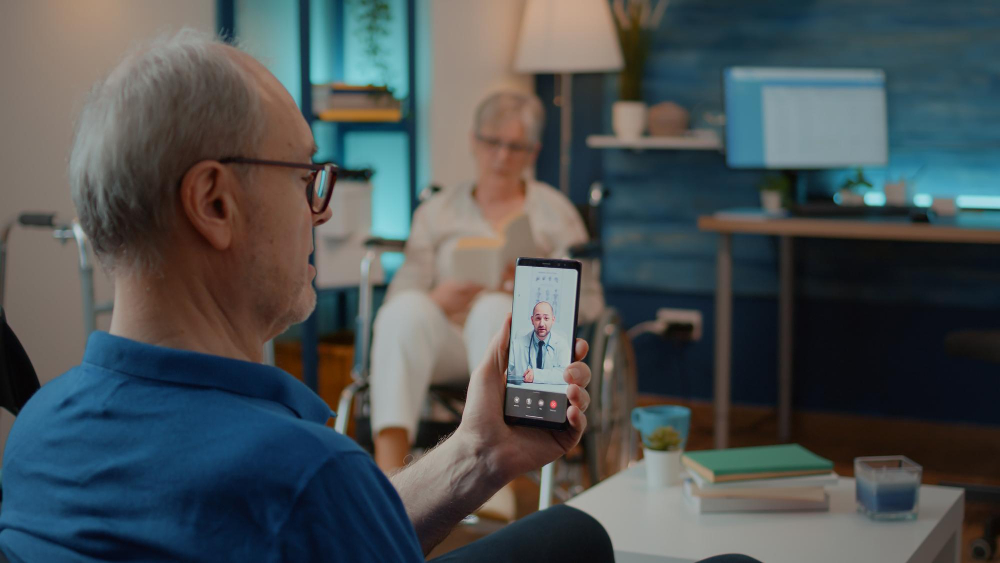
Remote Patient Monitoring (RPM) helps primary care physicians manage chronic conditions by providing continuous health data between office visits, allowing earlier intervention, personalized treatment adjustments, and better long-term outcomes. Instead of relying solely on occasional appointments, physicians can make informed decisions using real-time patient information through remote monitoring telehealth, improving care for people living with diabetes, hypertension, heart disease, COPD, and other chronic illnesses.
For communities like Santa Clara, where many residents balance demanding careers, family responsibilities, and aging-related healthcare needs, RPM offers a practical way to stay connected with healthcare providers without frequent clinic visits. It enables proactive care rather than reactive treatment, helping physicians identify concerns before they become emergencies.
What Is Remote Patient Monitoring (RPM)?
Definition: Remote Patient Monitoring (RPM) is a healthcare approach that uses connected medical devices to collect patient health information outside a traditional clinical setting. The data is securely shared with healthcare providers, allowing continuous monitoring and timely clinical decisions.
Common measurements include:
- Blood pressure
- Blood glucose levels
- Heart rate
- Weight fluctuations
- Oxygen saturation
- Medication adherence
Unlike occasional office checkups, RPM creates a clearer picture of how a patient’s condition changes throughout daily life.
Why Chronic Disease Management Requires Continuous Monitoring?
Many chronic illnesses develop gradually, and symptoms often worsen long before patients notice significant changes. Waiting until the next scheduled appointment may delay necessary treatment adjustments.
Primary care physicians benefit from receiving consistent health updates because they can detect subtle trends that would otherwise remain hidden. Small changes in blood pressure over several weeks, for example, may reveal the need for medication adjustments before serious complications occur.
This proactive approach supports better chronic disease management while reducing unnecessary hospital admissions and emergency department visits.
How RPM Helps Primary Care Physicians?
1. Detects Problems Earlier
One of RPM’s biggest advantages is early identification of health changes. Physicians no longer depend solely on patients remembering symptoms or accurately describing weeks of health history.
Continuous monitoring helps identify:
- Rising blood pressure
- Poor blood sugar control
- Fluid retention in heart failure patients
- Declining oxygen levels
- Irregular heart rhythms
Early intervention often prevents complications that require hospitalization.
2. Supports Better Treatment Decisions
Clinical decisions become more accurate when physicians review weeks or months of health trends instead of isolated readings taken during office visits.
For example, a patient with hypertension may have normal blood pressure inside the clinic but elevated readings at home. RPM provides a more complete picture, helping physicians avoid unnecessary medication changes while addressing genuine concerns.
3. Improves Patient Engagement
Patients who regularly monitor their health often become more involved in managing their conditions. Seeing daily readings encourages healthier choices and greater awareness of how lifestyle habits affect long-term health.
This collaborative relationship strengthens communication between physicians and patients.
How RPM Works in Primary Care?
Step-by-Step Process
- The physician identifies patients who may benefit from RPM.
- The patient receives FDA-approved monitoring devices.
- Health readings are automatically transmitted through secure digital systems.
- The care team reviews incoming data regularly.
- Alerts identify abnormal trends requiring attention.
- The physician contacts the patient when medication adjustments, education, or follow-up appointments are needed.
Many practices also integrate remote monitoring telemedicine visits, allowing physicians to discuss concerning trends without requiring patients to travel to the clinic.
Which Chronic Conditions Benefit Most from RPM?
Although RPM supports many medical conditions, several diseases show particularly strong improvements with continuous monitoring.
- Diabetes: Better glucose tracking supports medication adjustments.
- Hypertension: Frequent blood pressure readings improve treatment accuracy.
- Heart failure: Weight monitoring identifies fluid retention early.
- COPD: Oxygen monitoring helps detect respiratory decline.
- Kidney disease: Blood pressure and weight trends support disease management.
These conditions often require ongoing observation rather than occasional evaluations.
Benefits for Patients in Santa Clara
Santa Clara residents often value healthcare solutions that fit into busy lifestyles without compromising quality. RPM supports convenient, connected care while maintaining strong physician oversight.
Patients using telehealth patient monitoring in Santa Clara may experience:
- Fewer unnecessary clinic visits
- Earlier responses to health concerns
- Improved medication management
- Greater confidence in self-care
- Better coordination between healthcare providers
Older adults managing multiple chronic conditions may benefit even more when RPM is combined with Connected Care: Digital Health Solutions for Senior Wellness, creating a more comprehensive support system that promotes independence while maintaining clinical oversight.
How RPM Reduces Physician Workload Without Sacrificing Care?
Some physicians initially worry that additional patient data could become overwhelming. In practice, modern RPM platforms organize information intelligently, highlighting only clinically significant changes.
Instead of reviewing every reading individually, physicians receive prioritized alerts and trend reports, allowing them to focus attention where it’s needed most. This improves workflow efficiency while maintaining high-quality patient care.
Over time, practices often experience fewer avoidable urgent visits, improved patient satisfaction, and stronger continuity of care.
Frequently Asked Questions
1. Does RPM replace regular doctor visits?
No. RPM complements in-person care by providing continuous health information between appointments. Regular medical evaluations remain essential.
2. Who is eligible for Remote Patient Monitoring?
Patients with chronic conditions such as diabetes, hypertension, heart disease, COPD, or similar ongoing health concerns are commonly eligible, depending on physician recommendations.
3. Is RPM secure?
Yes. Most RPM platforms use encrypted, HIPAA-compliant systems to securely transmit patient health information.
4. Can seniors easily use RPM devices?
Yes. Many devices automatically transmit readings without requiring advanced technical knowledge, making them suitable for older adults.
5. Why is RPM valuable for primary care physicians?
RPM provides continuous clinical insights, supports earlier intervention, improves treatment accuracy, and helps physicians manage chronic diseases more proactively.
Conclusion
Managing chronic conditions is no longer limited to what happens during a scheduled office visit. Remote Patient Monitoring gives primary care physicians ongoing visibility into patient health, enabling faster interventions, more personalized treatment, and stronger patient engagement. For healthcare providers and patients throughout Santa Clara, RPM represents a practical shift toward preventive, connected care that improves outcomes while making chronic disease management more efficient.
Full Audio: Listen Here