

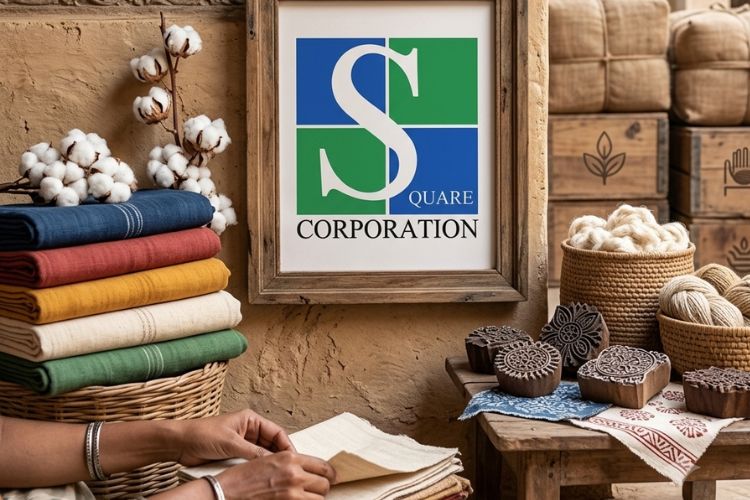
The fashion and textile industry is undergoing a remarkable transformation. Consumers today are asking more questions about where fabrics come from, how they are produced, and their impact on the environment. This shift has placed organic textiles firmly in the spotlight, encouraging manufacturers across India to embrace greener practices while maintaining the quality and versatility the industry is known for.
India has long been recognized as one of the world’s leading textile-producing nations. Alongside conventional production, many Textile Suppliers in India are now focusing on organic materials to meet growing domestic and international demand. From cotton-growing regions to advanced processing facilities, the country has developed a strong ecosystem for sustainable fabric manufacturing.
Also Read: How Knitting Yarn Impacts the Durability and Finishing of Garments
Why Organic Fabrics Are Gaining Popularity
Organic fabrics are produced using raw materials grown without synthetic pesticides, harmful fertilizers, or genetically modified seeds. While the concept may sound simple, the benefits extend far beyond agriculture. Organic textiles often require responsible farming practices, better soil management, and reduced environmental impact throughout the supply chain.
Consumers are increasingly choosing eco-friendly textiles because they align with broader sustainability goals. According to information published by the Textile Exchange, demand for certified sustainable fibers has continued to rise as brands work toward responsible sourcing commitments.
Major Organic Fabric Manufacturing Regions in India
Organic fabric production is spread across several textile hubs throughout the country. Each region contributes unique strengths to the manufacturing ecosystem.
Gujarat
Often called the cotton capital of India, Gujarat plays a significant role in organic cotton cultivation and processing. Many manufacturers source locally grown cotton before converting it into premium organic fabrics for apparel and home textiles.
Tamil Nadu
Known for its advanced spinning and weaving infrastructure, Tamil Nadu houses numerous textile mills specializing in sustainable fabric solutions. The region’s expertise allows manufacturers to maintain high quality while meeting international certification standards.
Maharashtra
Maharashtra contributes significantly through cotton cultivation and fabric processing. Several textile companies here have invested in environmentally conscious production technologies.
Rajasthan
Rajasthan combines traditional textile craftsmanship with modern sustainability practices. Organic fabrics produced here are often used in fashion garments, home décor products, and handcrafted textile collections.
What Sets Indian Organic Fabric Manufacturers Apart?
India’s organic textile sector stands out because it combines scale, experience, and innovation. Manufacturers are increasingly adopting transparent sourcing systems, renewable energy initiatives, and water-saving technologies.
- Extensive raw material availability: Access to organic cotton-growing regions reduces sourcing challenges.
- Global certifications: Many facilities comply with internationally recognized sustainability standards.
- Diverse fabric options: Manufacturers produce everything from lightweight apparel fabrics to durable industrial textiles.
- Competitive pricing: Large-scale production helps balance sustainability with affordability.
The Growing Demand for Sustainable Textile Solutions
Global brands are under increasing pressure to reduce environmental footprints. As a result, sourcing teams are actively seeking reliable Organic Fabric Suppliers in India that can provide consistent quality and traceable supply chains.
Interestingly, sustainability is no longer viewed as a niche preference. It has become a business requirement. Retailers, fashion houses, and even home furnishing brands are incorporating sustainable fabrics into their long-term strategies.
Common Applications of Organic Fabrics
- Fashion apparel and casual wear
- Children’s clothing and baby products
- Home furnishing textiles
- Hospitality and bedding solutions
- Eco-conscious lifestyle products
How to Choose the Right Organic Fabric Manufacturer
Selecting the right manufacturing partner requires more than comparing prices. Businesses should evaluate production capabilities, certifications, consistency, and transparency throughout the supply chain.
- Verify sustainability certifications and compliance standards.
- Assess fabric quality through samples and testing.
- Review production capacity for long-term requirements.
- Understand sourcing practices and traceability measures.
- Evaluate communication and export experience.
A reliable supplier should be able to explain not only what they produce but also how they produce it. That level of transparency often indicates a mature and trustworthy operation.
Frequently Asked Questions
What are organic fabrics made from?
Organic fabrics are typically made from natural fibers such as cotton, hemp, bamboo, or linen that are cultivated using environmentally responsible farming methods without synthetic chemicals.
Why are organic fabrics considered sustainable?
They help reduce chemical usage, support healthier soil conditions, encourage biodiversity, and often involve more responsible manufacturing processes compared to conventional textiles.
Do organic fabrics cost more than regular fabrics?
In many cases, yes. However, the price difference often reflects better farming practices, certification requirements, and sustainable production methods that contribute to long-term environmental benefits.
Can Indian manufacturers meet international export requirements?
Yes. Many Indian organic textile manufacturers comply with global standards and regularly supply fabrics to international fashion brands, retailers, and wholesalers.
Also Read: Top Organic Fabric Suppliers in India for 2026
Final Thoughts
India’s organic textile industry continues to evolve as sustainability becomes a defining factor in global sourcing decisions. With strong agricultural resources, advanced manufacturing capabilities, and growing environmental awareness, organic fabric manufacturers across India are well-positioned to support the future of responsible textile production. For businesses seeking sustainable fabric solutions, India remains one of the most promising destinations in the global market.
Blog development Credits:
This article was planned and refined with insights from Square Corporation. Research support included advanced AI platforms such as ChatGPT, Google Gemini, and Copilot, while final editorial improvements and SEO enhancements were completed by Square Corporation.