

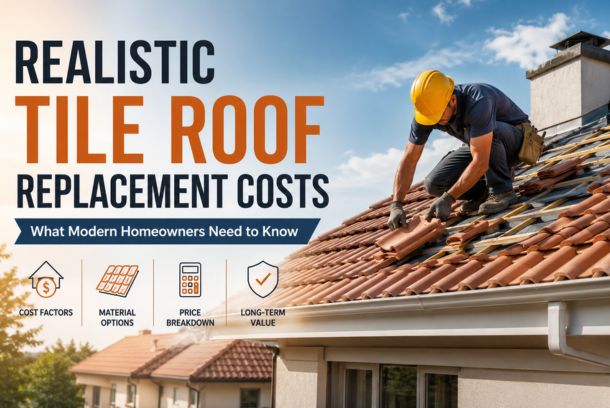
Replacing a roof is one of those home projects people often postpone—right up until a leak starts dripping into the hallway during a storm. And honestly, that’s understandable. Roofing isn’t cheap, especially when tiles are involved. But understanding the real numbers behind Tile Roof Replacement Cost can make the entire process far less intimidating for homeowners planning ahead.
Modern homes demand more from roofing systems than ever before. Today’s roofs aren’t just expected to protect against weather—they also contribute to insulation, curb appeal, and long-term property value. That’s why tile roofing continues to remain popular despite its higher upfront investment.
Why Tile Roofing Still Appeals to Modern Homeowners
There’s something undeniably timeless about a tiled roof. Whether it’s terracotta or concrete, tiles give homes a sense of permanence that metal or asphalt sometimes struggle to replicate. More importantly, they’re built to last.
According to research shared by the U.S. Department of Energy, reflective and thermally resistant roofing materials can significantly improve energy efficiency in residential buildings. Tile roofs naturally provide insulation benefits, especially in warmer climates.
Of course, durability comes at a price. But that price isn’t always as shocking as people assume.
Also Read: Is it Easy to Fix Damaged Flashing at an affordable cost?
Average Tile Roof Replacement Costs
So, what does a realistic roof replacement actually cost? The answer depends on several moving parts, but most homeowners with standard-sized properties typically spend anywhere between $12,000 and $35,000 for a full tile roof replacement.
Typical Cost Factors Include:
- Roof Size: Larger homes naturally require more materials and labor.
- Tile Material: Concrete tiles tend to cost less than premium terracotta options.
- Roof Complexity: Steep slopes, skylights, or multiple valleys increase labor difficulty.
- Structural Repairs: Older roofs may require timber or underlayment replacement before new tiles are installed.
Interestingly, labor often accounts for a surprisingly large percentage of the overall project. Roofing crews don’t just swap tiles—they inspect structural integrity, remove waste safely, and weatherproof the property during installation.
Concrete vs Terracotta Tiles: Does the Material Matter?
Absolutely. Material selection can dramatically influence your long-term roofing expenses.
Concrete Tiles
Concrete tiles are generally more affordable and widely available. They offer decent durability and suit modern architectural styles quite well. Homeowners seeking a balance between aesthetics and budget often lean toward this option.
Terracotta Tiles
Terracotta tiles, meanwhile, carry a premium feel—and price tag. They’re known for their natural color retention and exceptional lifespan. Some well-maintained terracotta roofs last over 50 years, which partly explains the higher investment.
The choice often comes down to whether you prioritize upfront savings or long-term durability.
Hidden Costs Homeowners Often Forget
This is where many roofing budgets quietly spiral out of control. The roof itself isn’t always the only expense involved.
Additional Expenses May Include:
- Roof insulation upgrades
- Gutter replacement
- Scaffolding and safety equipment
- Permit or disposal fees
- Unexpected water damage repairs
A surprisingly common scenario involves discovering rotted timber beneath aging tiles. Once contractors remove the old roofing, hidden structural issues suddenly become visible—and unavoidable.
That’s one reason many roofing specialists recommend comparing replacement costs with restoration alternatives first. In some situations, choosing the Best Roof Restoration Adelaide services may extend roof life significantly without requiring a complete rebuild.
Is Roof Replacement Worth the Investment?
In many cases, yes. A new tiled roof doesn’t just solve leaks—it improves resale value, energy efficiency, and overall home appearance.
According to housing market observations from National Association of Realtors (NAR), exterior upgrades, including roofing improvements, can positively influence buyer perception and property value. Buyers often see a newly replaced roof as one less major expense to worry about.
And frankly, peace of mind has value too. Knowing your roof can withstand years of harsh weather without constant patch repairs is difficult to quantify—but homeowners certainly feel it.
How to Reduce Tile Roof Replacement Costs
No one wants to overspend unnecessarily. Fortunately, there are smart ways to manage roofing expenses without sacrificing quality.
Practical Cost-Saving Tips
- Schedule Off-Season Work: Roofing companies may offer better rates during quieter periods.
- Get Multiple Quotes: Comparing contractors helps identify fair pricing.
- Repair Early Damage Promptly: Small issues become expensive structural problems if ignored.
- Choose Durable Materials: Paying slightly more upfront may reduce maintenance costs later.
Still, it’s important not to chase the cheapest quote blindly. Roofing quality matters enormously, and poor installation can shorten even the best materials’ lifespan.
FAQs
Q1. How long does a tile roof replacement usually last?
A professionally installed tile roof can last anywhere from 30 to 70 years depending on the material, maintenance, and climate conditions.
Q2. Is tile roofing more expensive than metal roofing?
Generally, yes. Tile roofs typically cost more upfront due to material weight and labor complexity, but they often last longer and offer better insulation benefits.
Q3. Can damaged roof tiles be repaired instead of replaced?
Yes, minor issues can often be repaired individually. However, widespread cracking, leaks, or structural damage may justify full replacement.
Q4. Does replacing a roof increase home value?
In many cases, yes. A new roof improves curb appeal, buyer confidence, and overall property condition, which may positively impact resale value.
Final Thoughts
Tile roof replacement isn’t exactly a small weekend expense—but it’s rarely just about appearance. It’s an investment in protection, comfort, and long-term property health. While costs can vary significantly depending on materials and roof condition, understanding the realistic numbers helps homeowners plan smarter rather than react under pressure when problems suddenly appear.
Also Read: Tile Roof Replacement Cost Explained: What You’ll Really Pay
Blog Development Credits
This blog was a team effort fueled by smart ideas. Local Adelaide Roofers picked the topic. Most content was crafted using tools like ChatGPT and Google Gemini.