

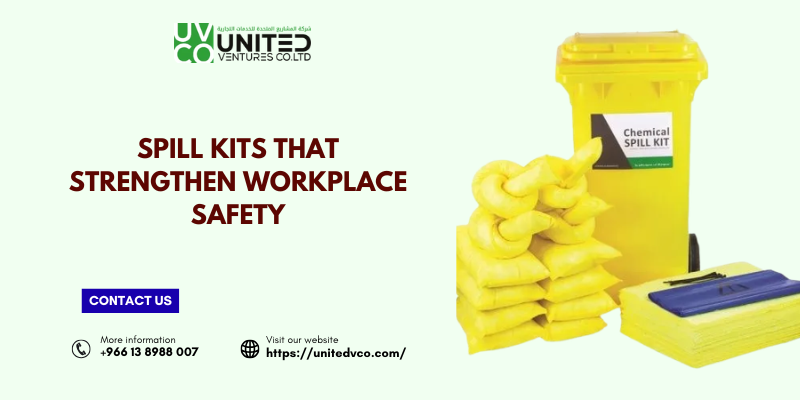
A small spill may not look dangerous at first. Yet in busy industrial environments, one unattended leak can quickly lead to slips, chemical exposure, equipment damage, or even regulatory penalties. That’s why modern workplaces are investing more seriously in spill response planning. Businesses working with Spill Kit Wholesale suppliers are not only improving safety standards but also creating faster, more organized emergency response systems.
Whether it’s a warehouse, oil facility, manufacturing plant, or construction site, spill management is now considered a core part of workplace compliance. According to the U.S. Occupational Safety and Health Administration (OSHA), employers are responsible for maintaining safe environments and minimizing hazardous exposure risks. Proper spill containment tools play a major role in meeting these expectations.
Why Spill Control Matters More Than Ever?
Industrial operations today move fast. Forklifts rush through loading areas, chemicals are transferred between containers, and machines operate continuously for long hours. In this kind of environment, accidents can happen in seconds. What often separates a minor incident from a major workplace emergency is preparedness.
Spill kits provide immediate access to absorbents, disposal bags, gloves, pads, socks, and containment tools. Instead of employees scrambling to find cleaning materials, everything needed is already packed and ready for use.
Interestingly, many workplace injuries linked to spills are not chemical burns — they’re slips and falls. The U.S. Centers for Disease Control and Prevention (CDC) reports that slips, trips, and falls remain one of the leading causes of workplace injuries worldwide.
How Spill Kits Support Safety Compliance?
1. Faster Emergency Response
When a spill happens, response time matters. Delays increase the risk of contamination, injuries, and operational downtime. Spill kits allow employees to react immediately rather than waiting for external cleanup support.
-
- Contain hazardous liquids quickly
-
- Reduce floor slip hazards
-
- Prevent chemicals from spreading into drains
-
- Limit equipment corrosion and damage
In many industries, response speed is directly connected to compliance audits and internal safety ratings.
2. Better Employee Safety Awareness
A workplace equipped with visible spill control systems naturally encourages safer behavior. Employees become more conscious about handling oils, fuels, lubricants, and chemicals properly.
Companies that regularly train workers on spill response often notice improved accountability across departments. It creates a “safety-first” mindset rather than treating compliance as just paperwork.
3. Supports Environmental Protection Standards
One overlooked chemical spill can affect nearby soil, water systems, or drainage lines. Environmental regulations in many countries now require facilities to maintain spill containment equipment onsite.
This is especially true in industries such as:
- Oil and gas operations
- Chemical manufacturing
- Marine and shipping facilities
- Construction and heavy engineering
- Automotive workshops
Facilities sourcing reliable spill management products from trusted suppliers often find compliance inspections much smoother.
Choosing the Right Spill Kit for Your Facility
Not every spill kit is designed for the same environment. A warehouse handling oils requires different absorbents compared to a laboratory managing hazardous chemicals.
This is where businesses searching for Spill Kit Saudi Arabia solutions usually focus on industry-specific requirements.
Common Types of Spill Kits
-
- Oil Spill Kits: Designed for hydrocarbons and petroleum products
-
- Chemical Spill Kits: Suitable for hazardous chemical containment
-
- Universal Spill Kits: Handle water-based liquids, coolants, and mild chemicals
-
- Marine Spill Kits: Used near ports, ships, and offshore facilities
A surprising number of businesses buy generic spill kits without evaluating actual workplace risks. That usually leads to poor performance during emergencies.
The Financial Benefits of Spill Preparedness
Safety investments often seem expensive initially. But workplace incidents are far more costly in the long run. Cleanup expenses, employee injuries, downtime, regulatory fines, and damaged reputation can quickly add up.
According to the National Safety Council (NSC), workplace injuries cost businesses billions annually through lost productivity and medical expenses.
Having proper absorbent materials and spill containment equipment onsite reduces these risks significantly. In many cases, a simple preventive measure prevents operational shutdowns altogether.
Best Practices for Spill Kit Management
Even the best spill kit becomes useless if it’s poorly maintained or inaccessible. Experienced safety managers usually follow a few practical rules:
-
- Inspect kits monthly for missing supplies
-
- Place kits near high-risk spill zones
-
- Train staff regularly on usage procedures
-
- Use clearly visible labeling and signage
-
- Replace expired or contaminated absorbents immediately
Some organizations even conduct mock spill drills much like fire drills to improve emergency readiness. It may sound excessive at first, but during a real incident, preparation makes an enormous difference.
FAQ
What industries require spill kits the most?
Industries handling oils, fuels, chemicals, lubricants, or hazardous liquids benefit the most from spill kits. This includes manufacturing, marine, construction, logistics, and oil & gas sectors.
How often should spill kits be inspected?
Most safety professionals recommend monthly inspections to ensure absorbents, gloves, disposal bags, and containment materials are fully stocked and usable.
Can spill kits help during safety audits?
Yes. Proper spill management equipment demonstrates preparedness and supports workplace compliance during environmental and occupational safety inspections.
Are universal spill kits enough for chemical facilities?
Not always. Chemical facilities often require specialized chemical spill kits designed for hazardous substances and corrosive liquids.
Final Thoughts
Workplace safety is no longer just about reacting to accidents it’s about preventing them before they escalate. Spill kits provide a practical, fast, and highly effective solution for controlling hazards, protecting employees, and maintaining compliance standards. In industries where even a small spill can create serious consequences, proper preparation truly becomes a business advantage.
Full Audio Version:- Click Here