

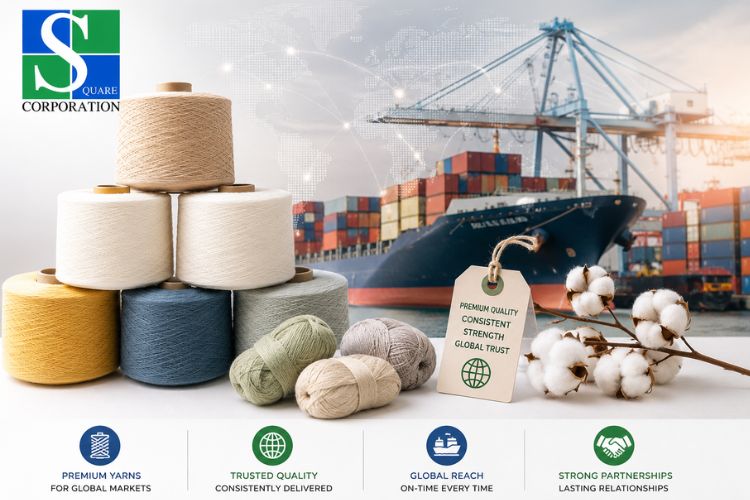
Every successful garment, home furnishing, or industrial textile product begins with one crucial decision: choosing the right supplier. In today’s competitive market, businesses need more than affordable fabrics—they need dependable partners who consistently deliver quality, meet deadlines, and understand changing customer expectations. That’s exactly what separates trusted suppliers from the rest.
Experienced Textile Suppliers in India help businesses maintain consistent production while adapting to evolving fashion trends and global sourcing demands. Whether you’re a startup clothing brand or an established exporter, selecting the right supplier can influence everything from product quality to customer satisfaction and long-term profitability.
Also Read: Exploring the Diverse Types of Yarn Available in the Market
Why India Continues to Lead the Textile Industry
India has long been recognized for its diverse textile ecosystem, blending traditional craftsmanship with advanced manufacturing technologies. From cotton and linen to recycled polyester and performance fabrics, manufacturers across the country serve domestic businesses as well as international buyers with remarkable versatility.
According to the India Brand Equity Foundation (IBEF), India’s textile and apparel sector remains one of the country’s largest industries, contributing significantly to employment, exports, and industrial production. Continuous investment in technology and sustainability is helping the industry remain globally competitive.
Characteristics of a Trusted Textile Supplier
A supplier’s true value isn’t measured only by pricing. Experienced buyers know that dependable service, consistent quality, and professional communication often save considerably more money over time than choosing the lowest quotation.
- Reliable product consistency: Uniform fabric quality ensures smoother manufacturing and fewer production delays.
- Transparent business practices: Honest communication regarding pricing, lead times, and availability strengthens long-term partnerships.
- Strong quality control: Regular inspections and testing reduce defects before products reach customers.
- Efficient logistics support: Timely deliveries help manufacturers maintain uninterrupted production schedules.
Think of a textile supplier as an extension of your own business. When they perform consistently, your customers experience the same reliability, often without realizing how much happens behind the scenes.
The Growing Importance of Sustainable Fabrics
Sustainability has moved from being a niche preference to a mainstream business expectation. Consumers increasingly appreciate products made from responsibly sourced materials, encouraging brands to collaborate with environmentally conscious manufacturers.
Businesses searching for Organic Fabric Suppliers in India are often looking beyond certifications alone. They value transparency in sourcing, eco-friendly production processes, and innovative fabrics that reduce environmental impact without compromising durability or comfort.
Questions to Ask Before Selecting a Supplier
- Can the supplier consistently meet large-volume orders?
- Do they provide quality certifications and testing reports?
- What is their average production and delivery timeline?
- How responsive is their customer support after delivery?
- Can they customize fabrics for specific business requirements?
Industry Trends Reshaping Textile Sourcing
Today’s textile market is evolving faster than ever. Automation, digital inventory systems, recycled fibers, and smart manufacturing are helping suppliers improve efficiency while maintaining quality. Buyers are also placing greater emphasis on traceability, ensuring that every stage of production aligns with responsible manufacturing practices.
Searches for terms like cotton fabric manufacturers, sustainable textile exporters, and premium fabric suppliers continue to rise as businesses prioritize quality, innovation, and environmental responsibility alongside competitive pricing.
- Digitally managed supply chains improve delivery accuracy.
- Eco-friendly materials appeal to environmentally conscious consumers.
- Advanced manufacturing reduces fabric inconsistencies.
- Customized textile solutions help brands create unique product collections.
Frequently Asked Questions
1. How do I identify a reliable textile supplier in India?
Evaluate manufacturing experience, product consistency, quality certifications, customer reviews, communication standards, and delivery performance before making a long-term commitment.
2. Why is sustainable textile sourcing becoming so important?
Consumers increasingly prefer environmentally responsible products, encouraging businesses to source fabrics from manufacturers using ethical and sustainable production methods.
3. Can Indian textile suppliers support international buyers?
Yes. Many established suppliers have extensive export experience, international quality certifications, and logistics expertise that enable them to serve customers across global markets.
4. What benefits come from building a long-term supplier relationship?
Long-term partnerships often result in better pricing stability, improved communication, consistent product quality, faster problem resolution, and stronger production planning.
Also Read: Organic Fabric Manufacturers Across India
Final Thoughts
Finding a trusted textile supplier isn’t simply about purchasing fabric—it’s about creating a partnership that supports your business as it grows. Suppliers that consistently deliver quality, embrace innovation, and prioritize sustainability help businesses remain competitive while building lasting customer confidence in every finished product.
Blog development Credits:
This article was thoughtfully planned by Square Corporation, developed through detailed research supported by AI technologies including ChatGPT, Google Gemini, and Copilot, and carefully refined with editorial review and SEO optimization by Square Corporation.